
curious.
Curious about how people truly live? Discover breathtaking spaces and gain insider design knowledge from leading experts.
Modernism Under Tropical Light
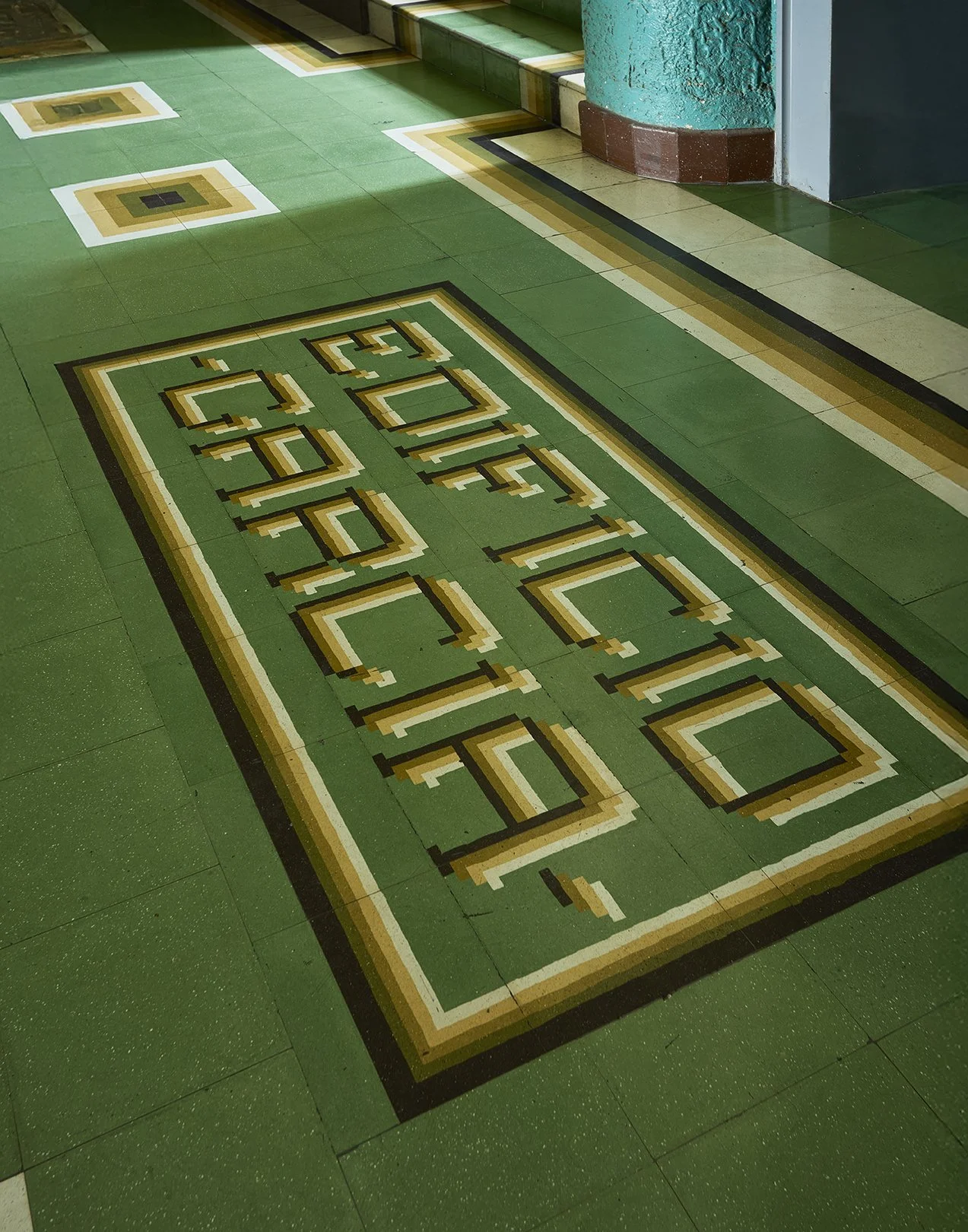
Edificio Garcia
In downtown Barranquilla, where commerce, migration and tropical light converge, one building quietly tells the story of a city becoming modern.
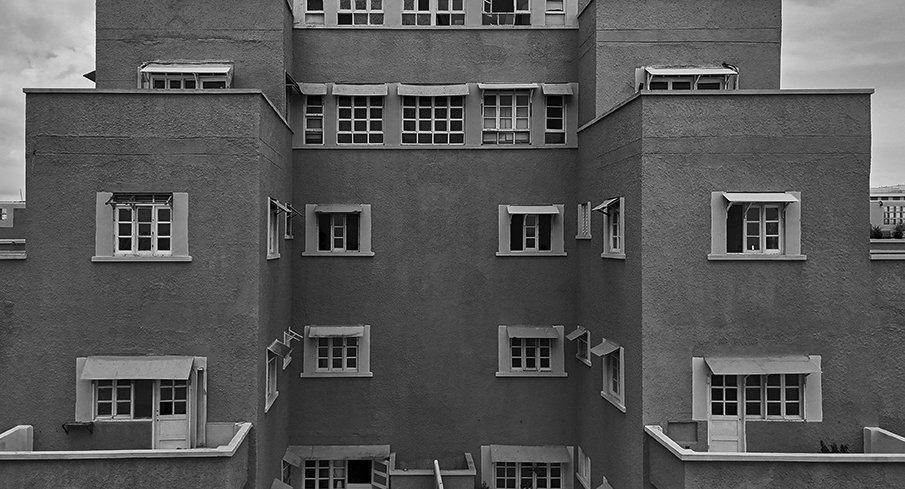
In downtown Barranquilla — where trade routes, tropical light and migrant cultures have long converged — the García Building stands as a quiet marker of the city’s mid-century awakening. It does not dominate the skyline so much as it participates in it: a measured, rhythmic presence embedded in the commercial pulse of the historic centre.
Photos: Monica Barreneche ©.
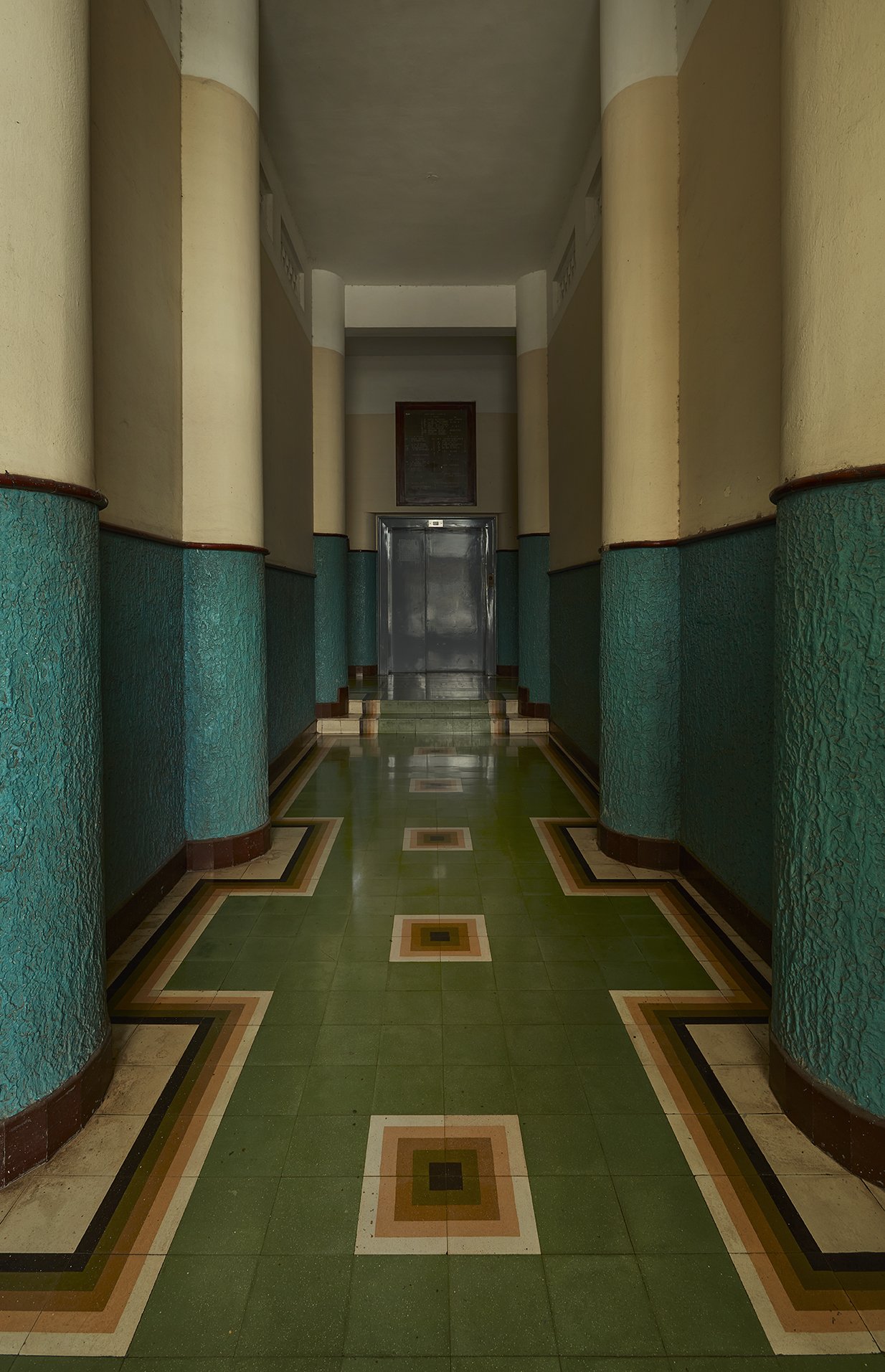
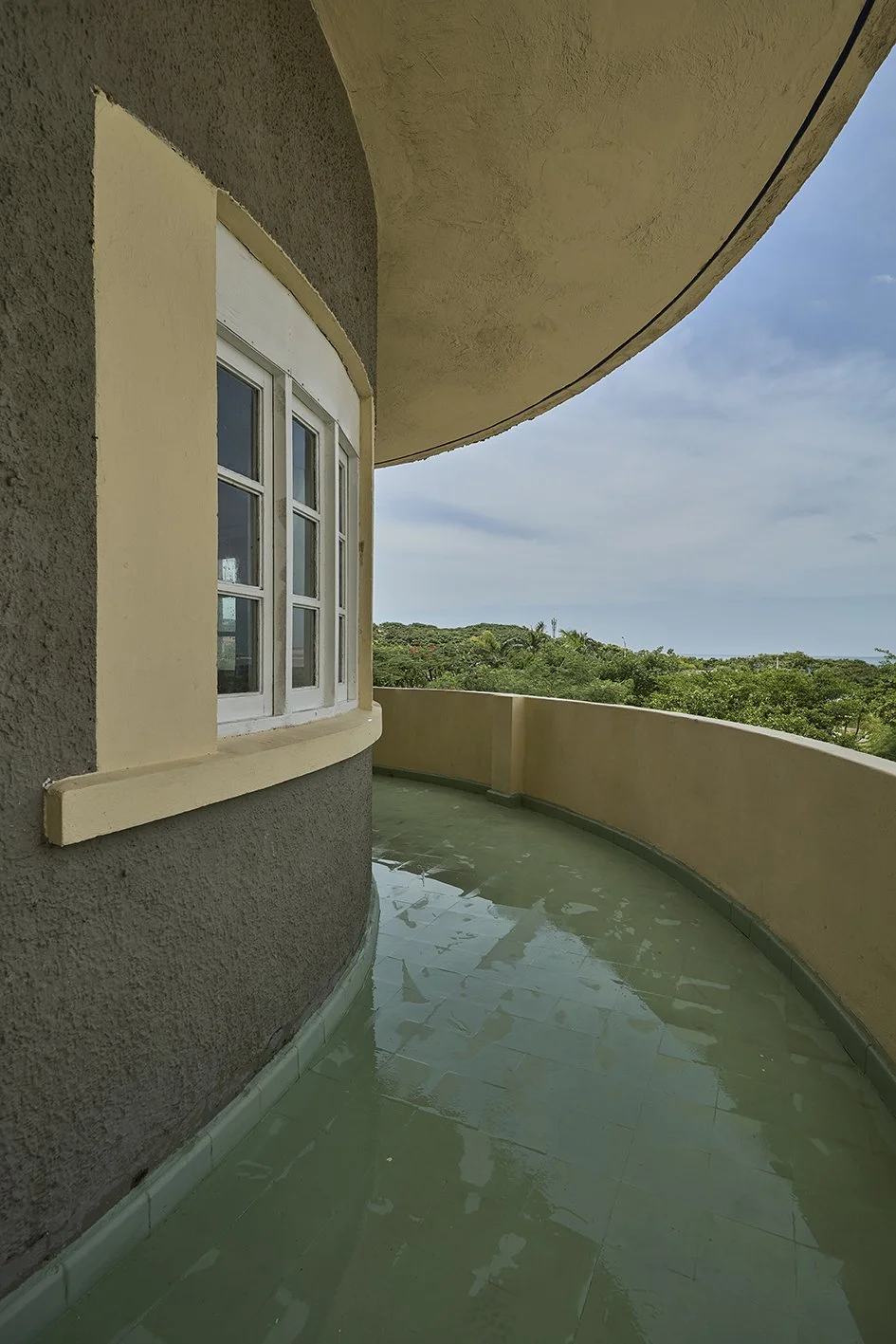
Completed between the late 1950s and early 1960s, during the height of Barranquilla’s port-driven prosperity, the building was commissioned by the García family as a mixed-use commercial and office address. At the time, the city was projecting itself outward — toward the Caribbean, toward Miami, toward a broader idea of modern life shaped by business, music, migration and exchange. Architecture became one of the vehicles through which that aspiration took form.
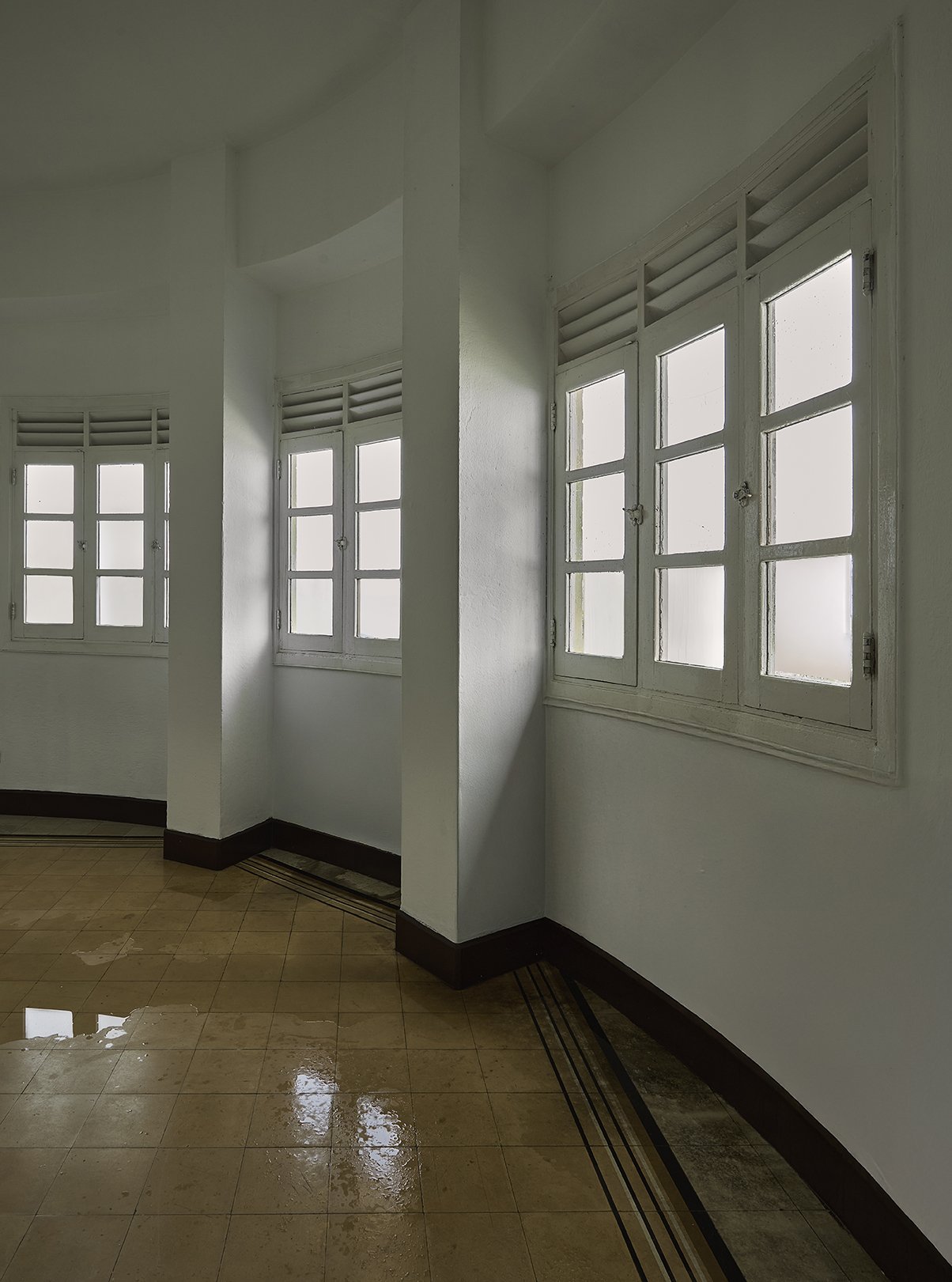
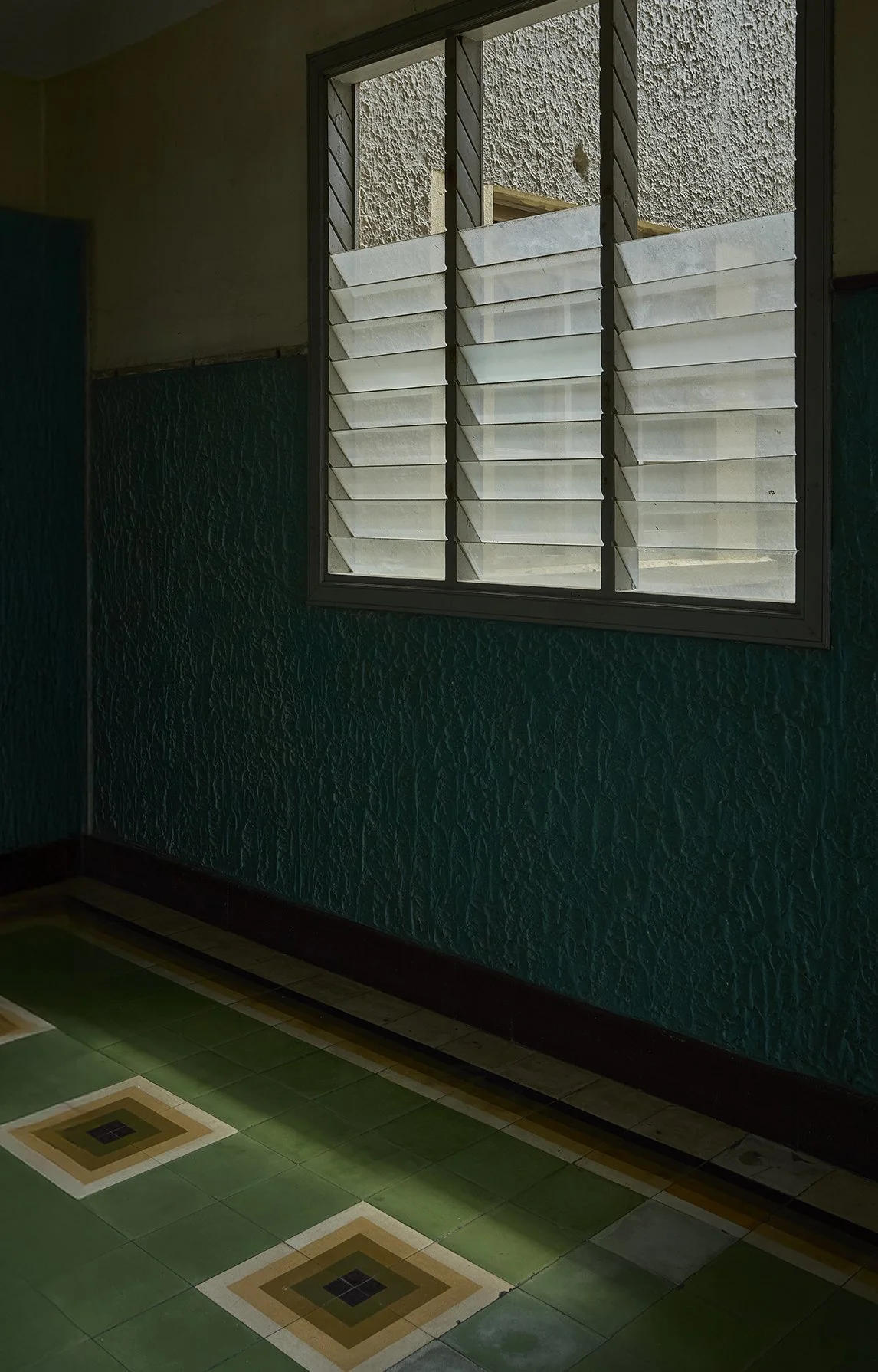
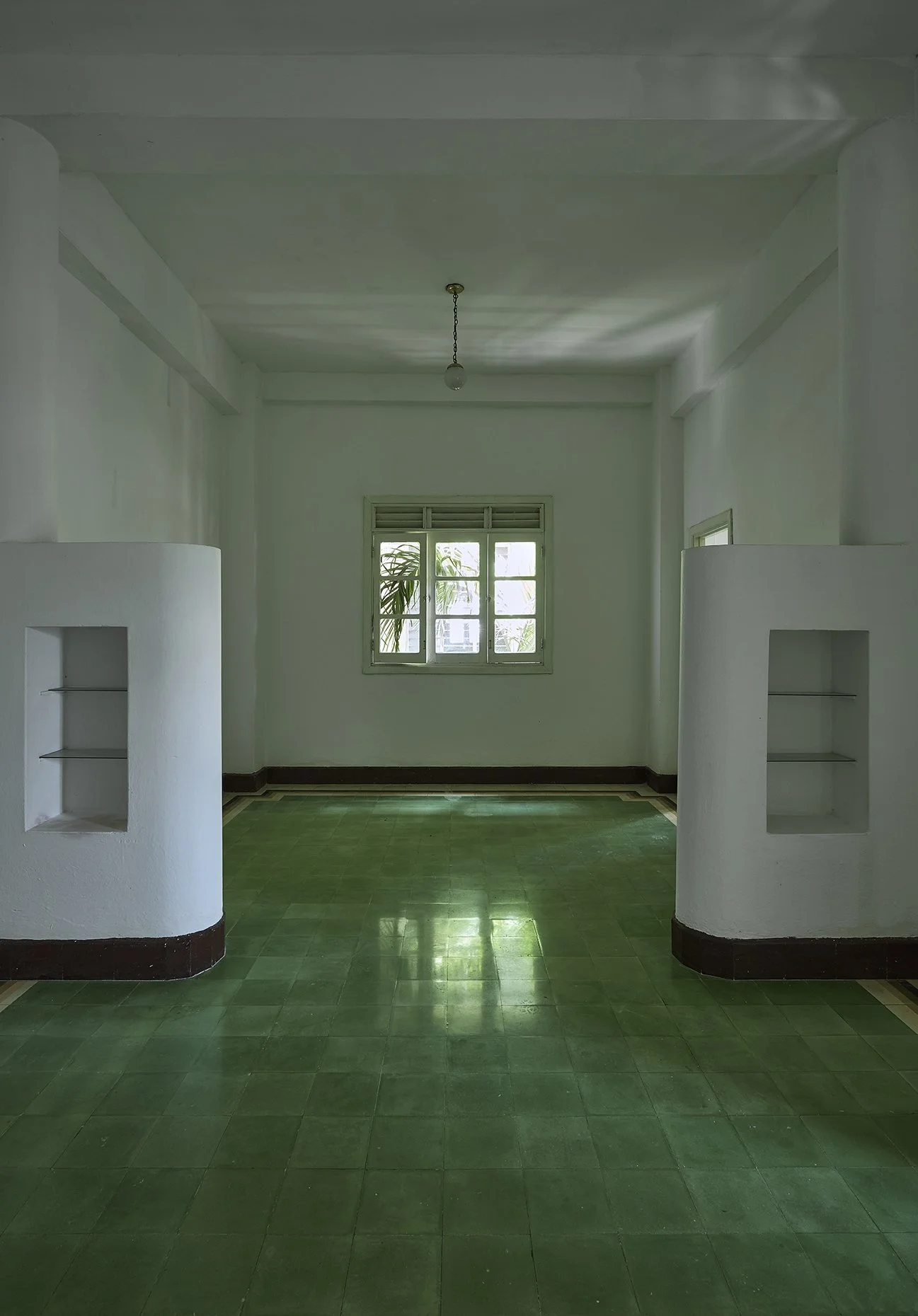
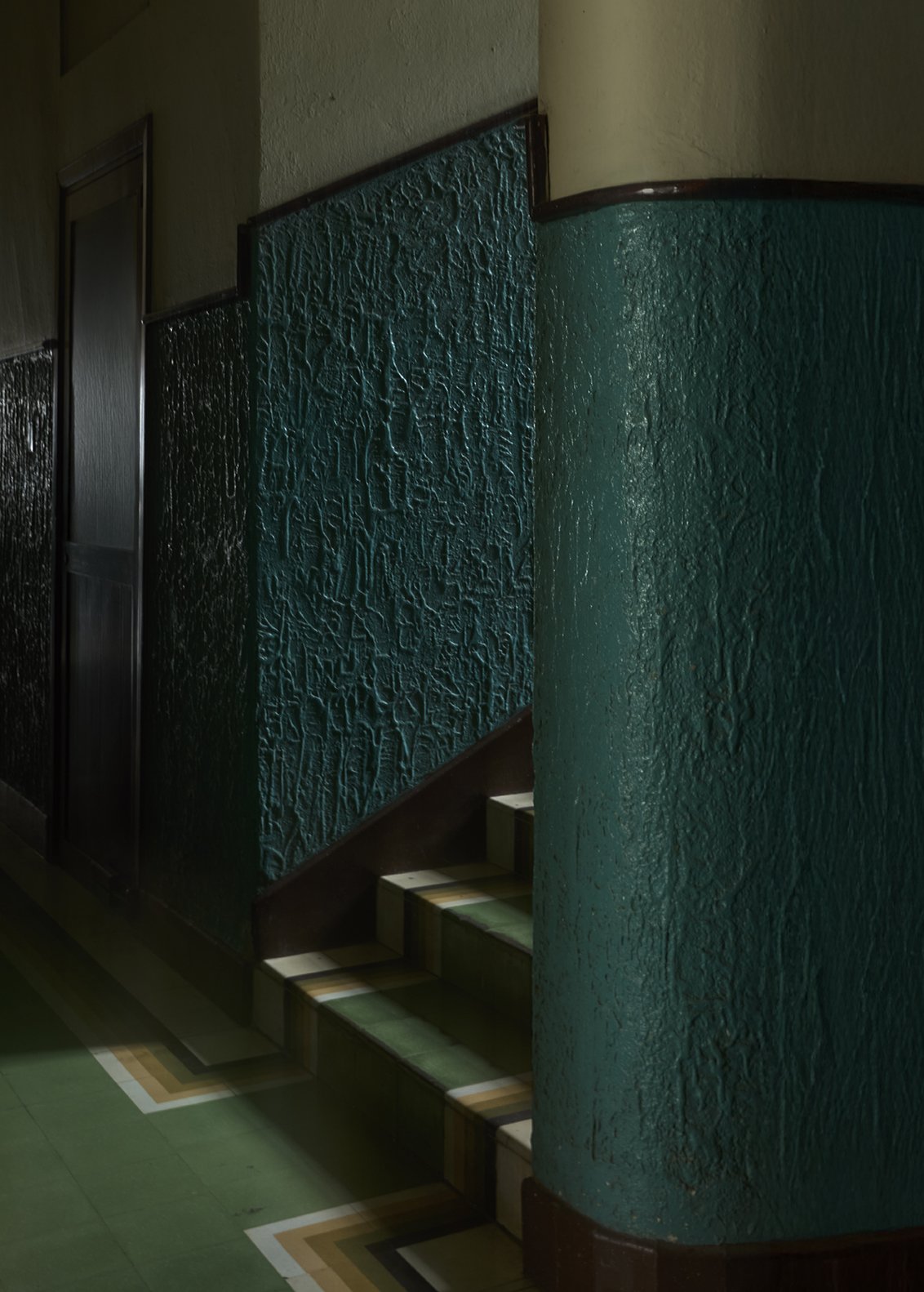
The García Building reflects this cultural moment. Its modernist language — clean lines, horizontal bands and modular repetition — speaks of international influence, yet its atmosphere is distinctly local. Deep balconies cast generous shadows onto the façade, softening the tropical glare and giving the structure a lived-in depth. The building seems designed not only to house commerce but to stage everyday urban life: conversations leaning over railings, open windows catching coastal breezes, the slow choreography of a working city.
Light plays a central role in its identity. As the sun shifts, the façade transforms — at times dense and graphic, at others porous and airy. This constant modulation lends the building a temporal quality, as if it were calibrated to the rhythm of the Caribbean day rather than to static monumentality.
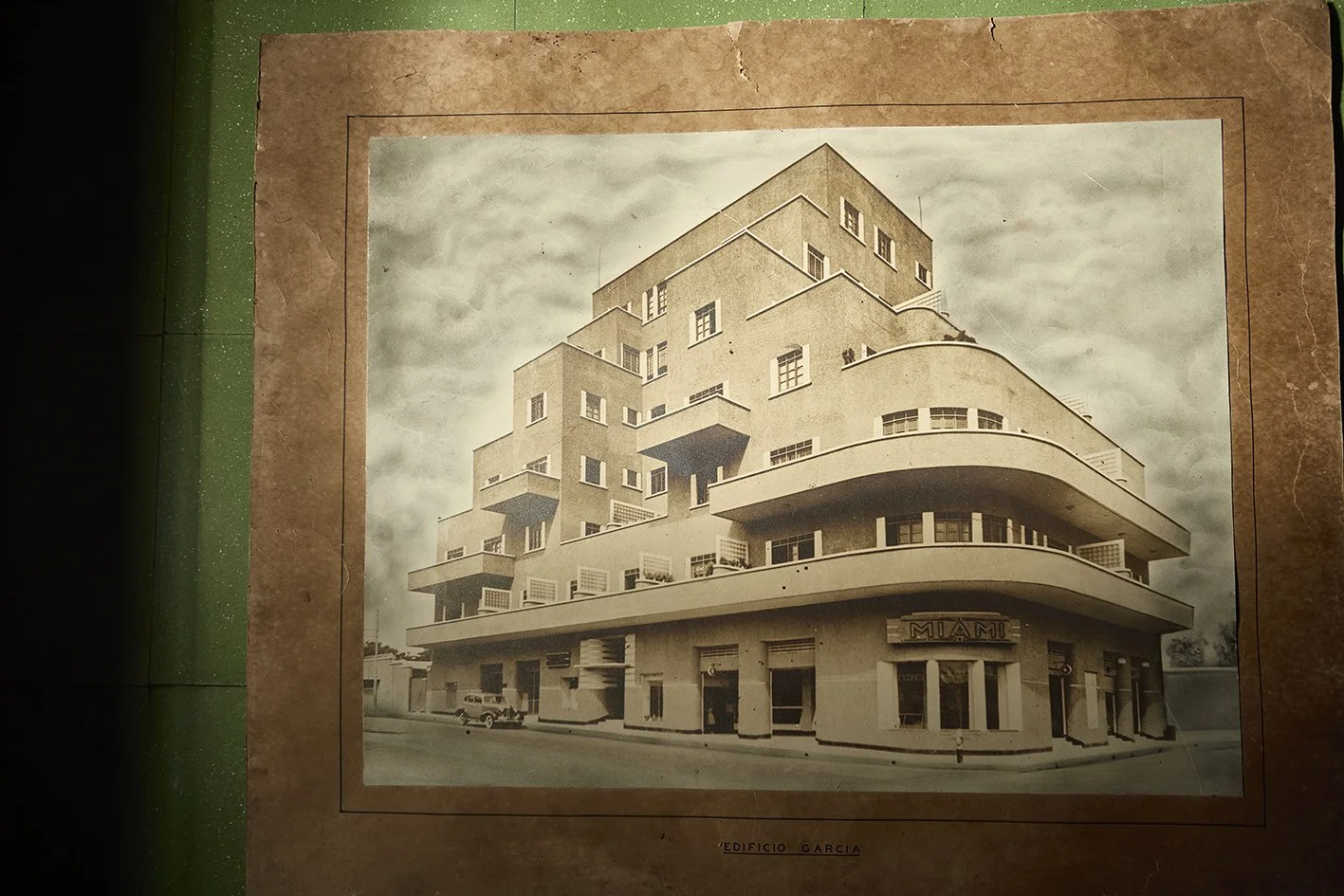
Like many commercial buildings of its era, documentation around its authorship remains partial. The project is widely attributed to the Cuban-born architect Manuel José Carrerá, whose work in Barranquilla helped translate international modernism into a vocabulary attuned to Caribbean climate and culture. His trajectory across the greater Caribbean basin situates the building within a broader network of architectural exchange, where European modernism was reinterpreted through heat, light and coastal urban life.