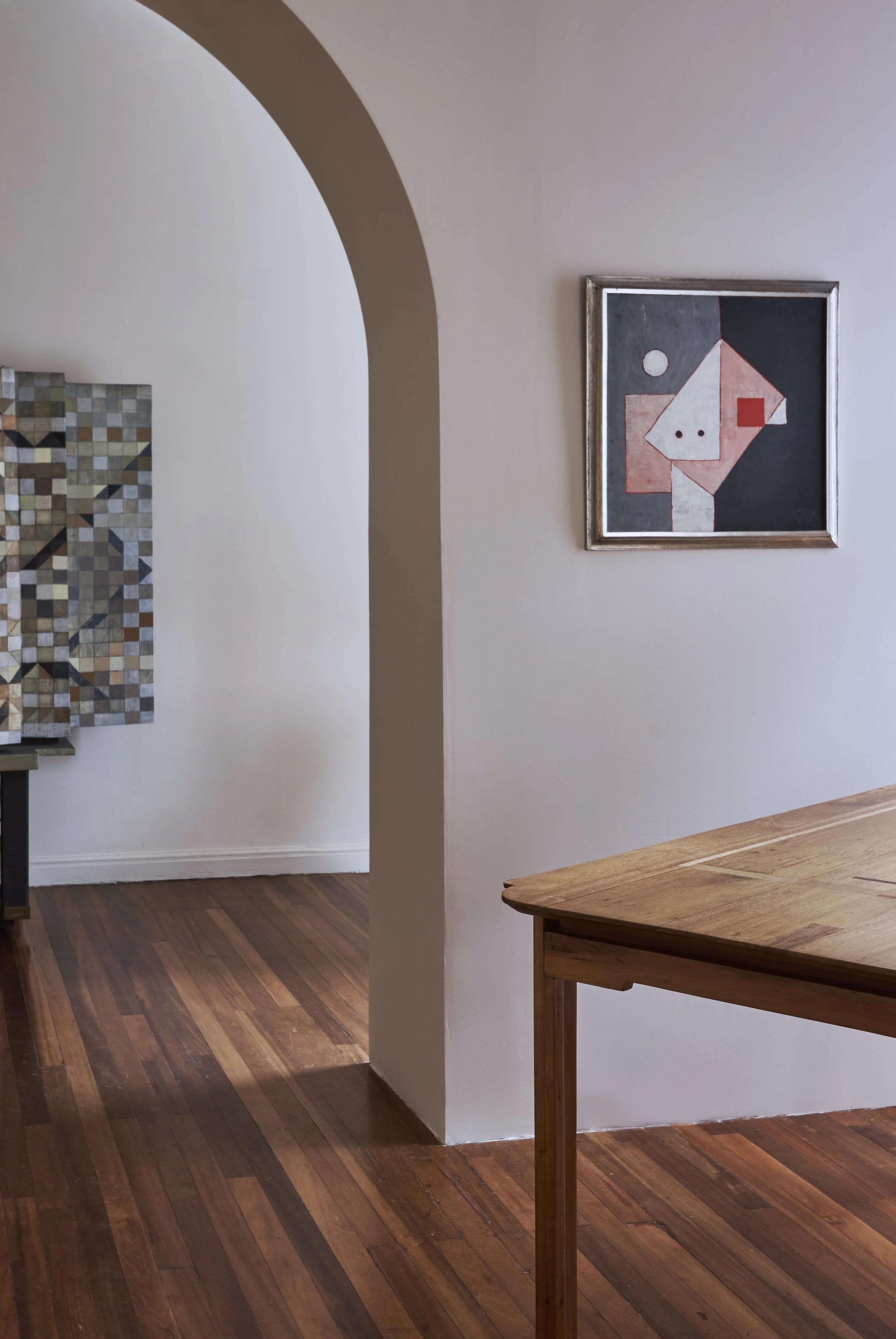
Designs of Alejandro Cabo and Jaime Gutíerrez Lega. Photography: ©Monica Barreneche
Colombian design has a history. The trouble is, much of it seems determined to remain hidden. It survives in objects still found in private homes, in archives rarely consulted, in pieces whose authorship has faded over time and, above all, in the work of individuals who understood early on that design could be about much more than function.
Los Fantásticos, an exhibition curated by Mónica Barreneche, with exhibition design by Estefanía Neme, and presented at NC Diseño during ARTBO 2026 in Bogotá, set out to bring some of these figures back into focus. Not through nostalgia, nor with the reverence usually reserved for the word master, but through a contemporary lens.
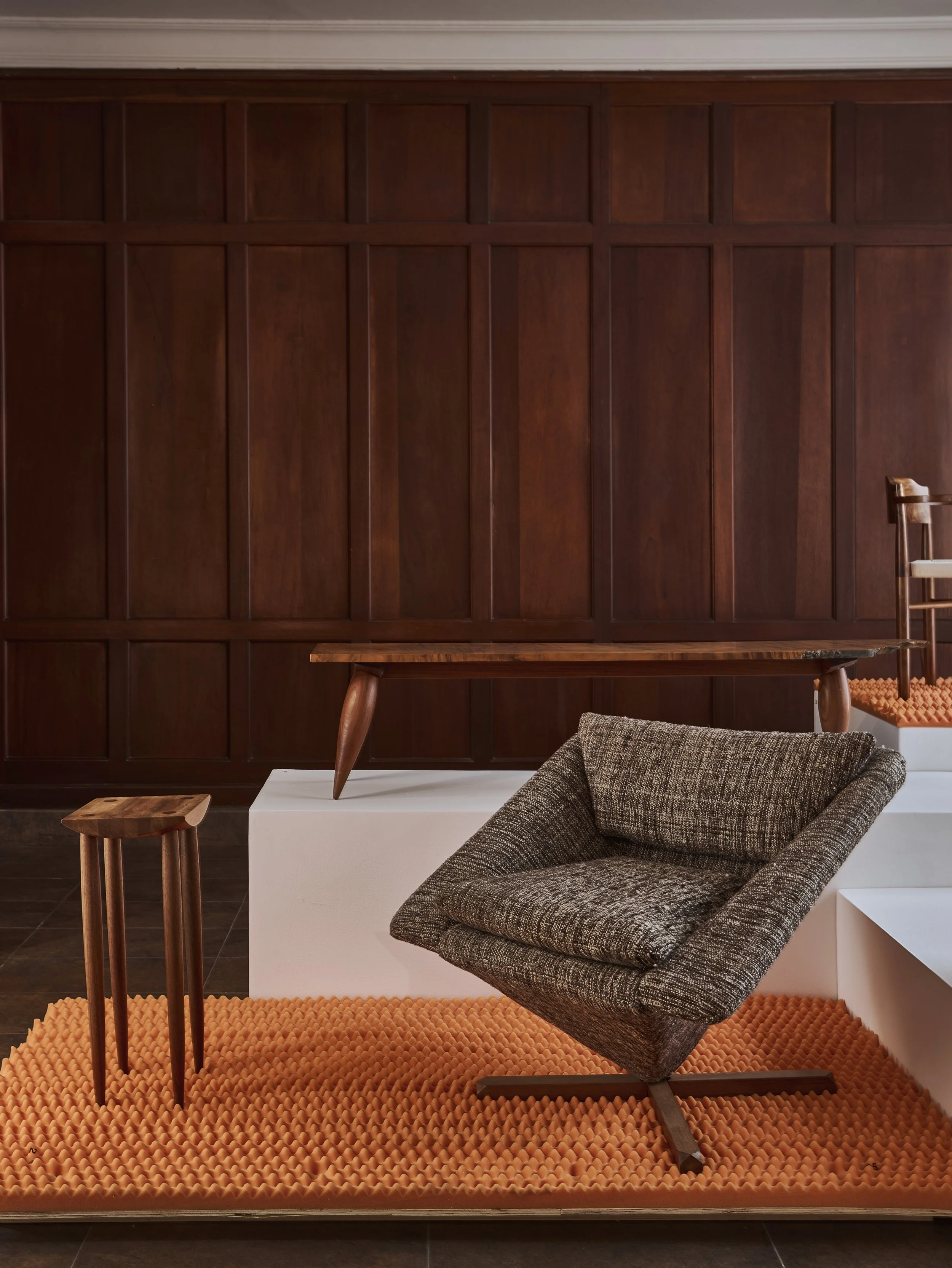
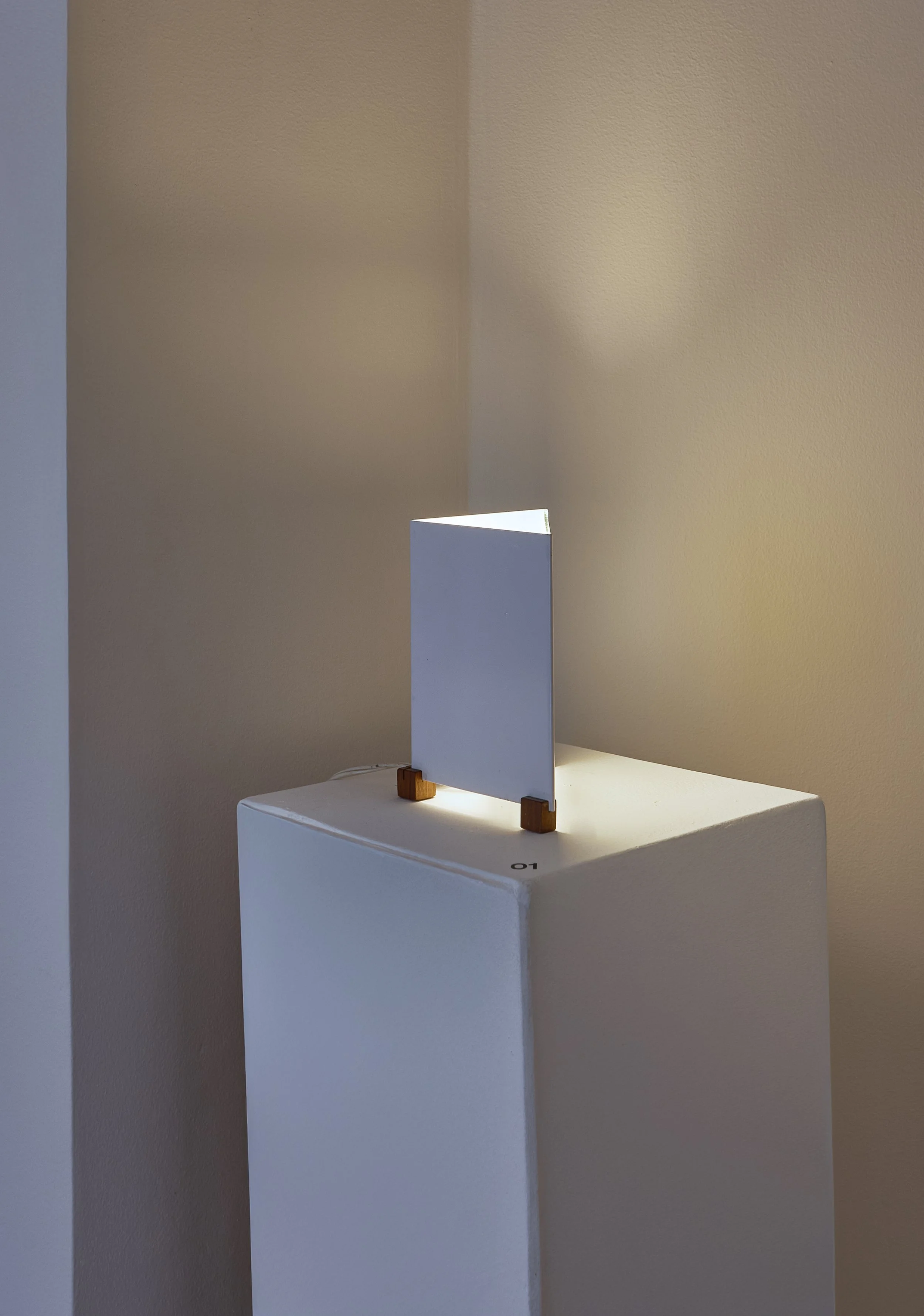
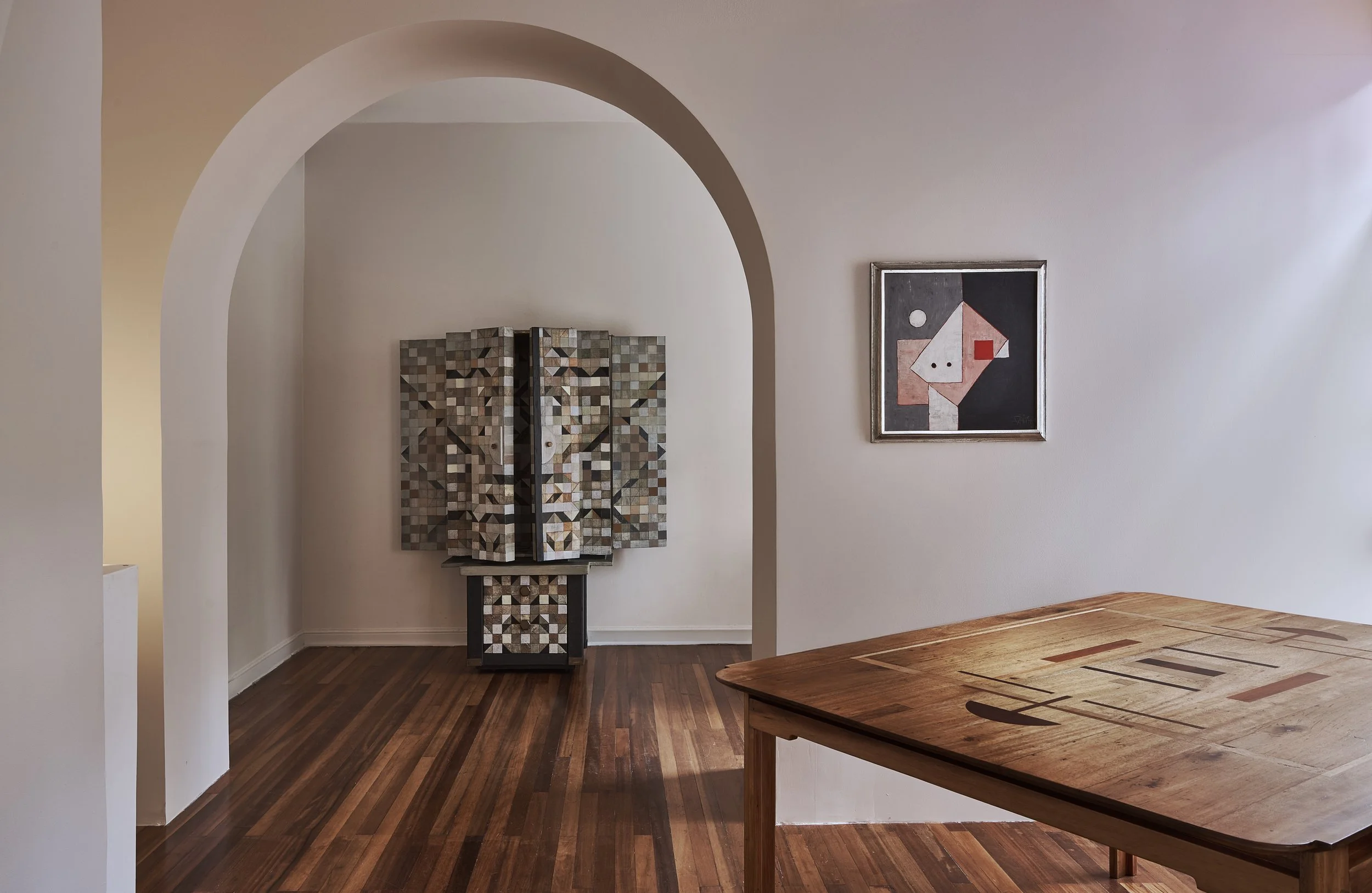
Seen today, the work of Jon Oberlaender, Eric Bergman, Franca Pacini, William Piedrahita, Alejandro Cabo and Jaime Gutiérrez Lega feels remarkably current. Each developed a distinct visual language and, perhaps more importantly, possessed the confidence to remain entirely unlike the others.
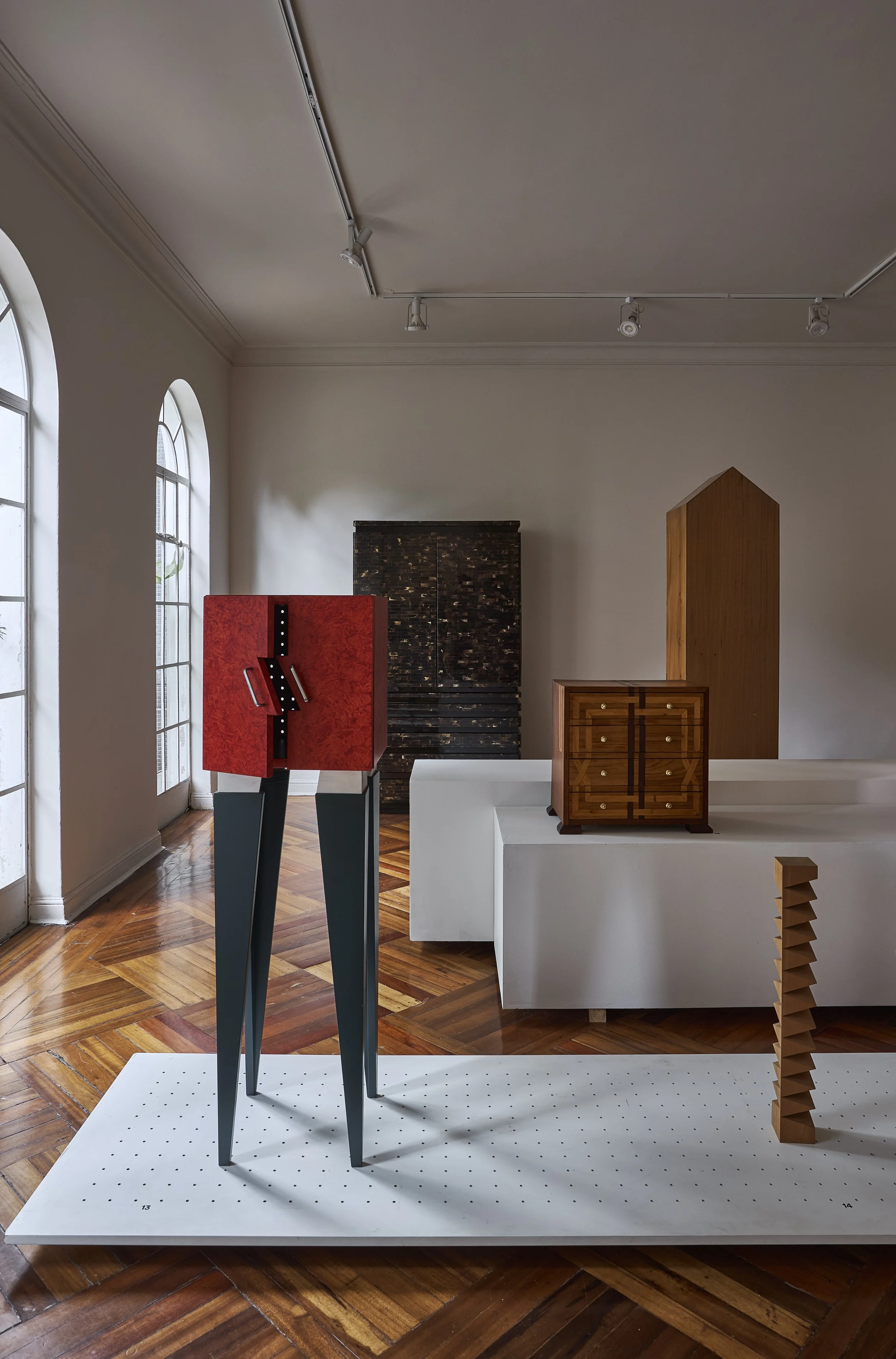
Designs of: Eric Bergman, William Piedrahita and Franca Pacini. Photography: ©Monica Barreneche
Oberlaender brought ingenuity and humour to his practice, challenging conventions with an intelligence that rarely needed to announce itself. Bergman combined precision with an enduring sense of taste, qualities easily claimed but considerably harder to sustain throughout a career. Piedrahita pushed imagination towards extravagance, demonstrating that functionality and theatricality were hardly incompatible. For Cabo, experimentation became a method, often accompanied by a mischievous willingness to question the expected. Gutiérrez Lega approached design with a clarity and intellectual rigour that helped establish the foundations of a discipline still finding its place in Colombia.
And then there is Franca Pacini, perhaps the most overlooked figure of the group. Working quietly across architecture, interiors, objects and imagery, she contributed to significant chapters of the country's material culture without necessarily seeking recognition.
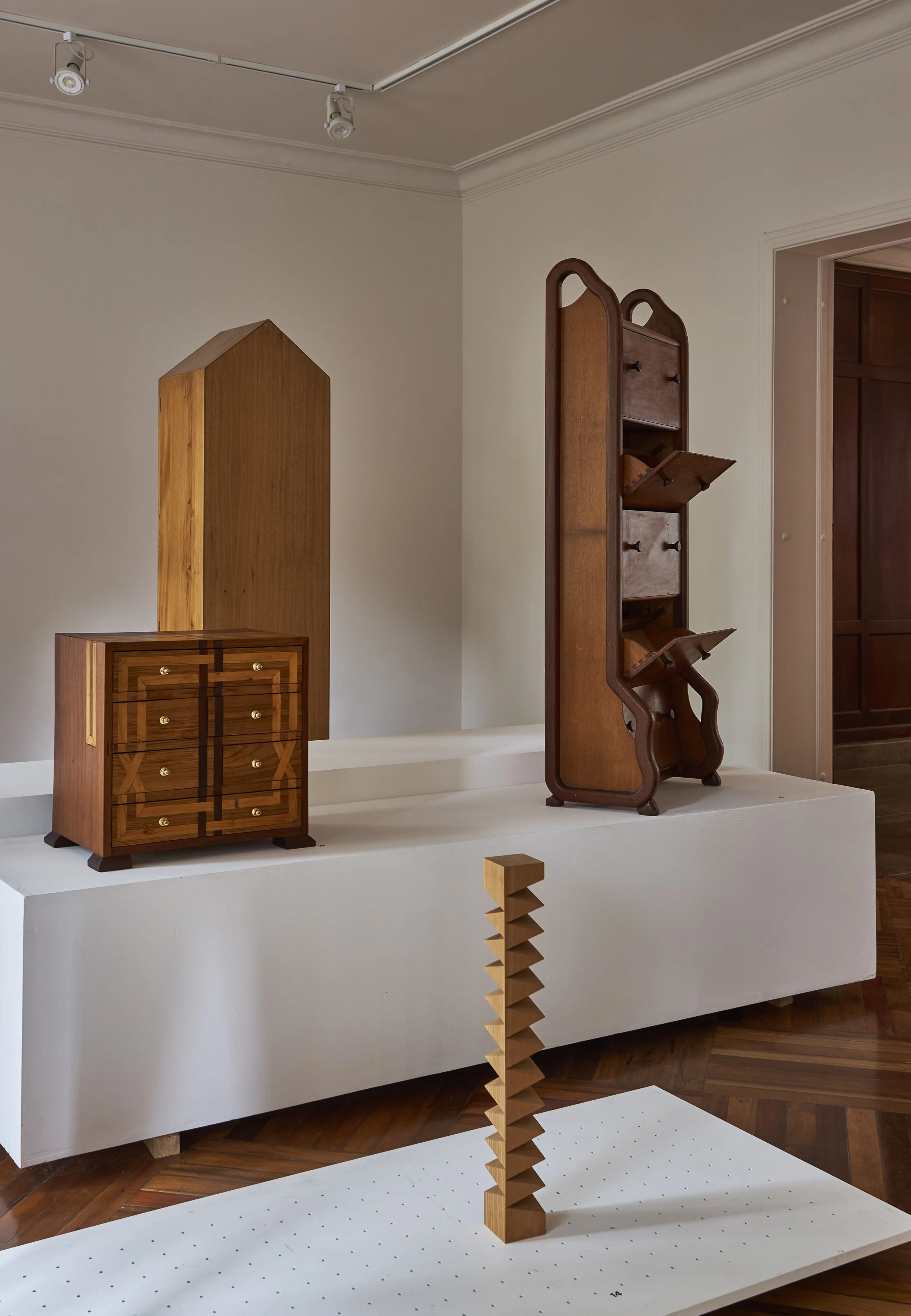
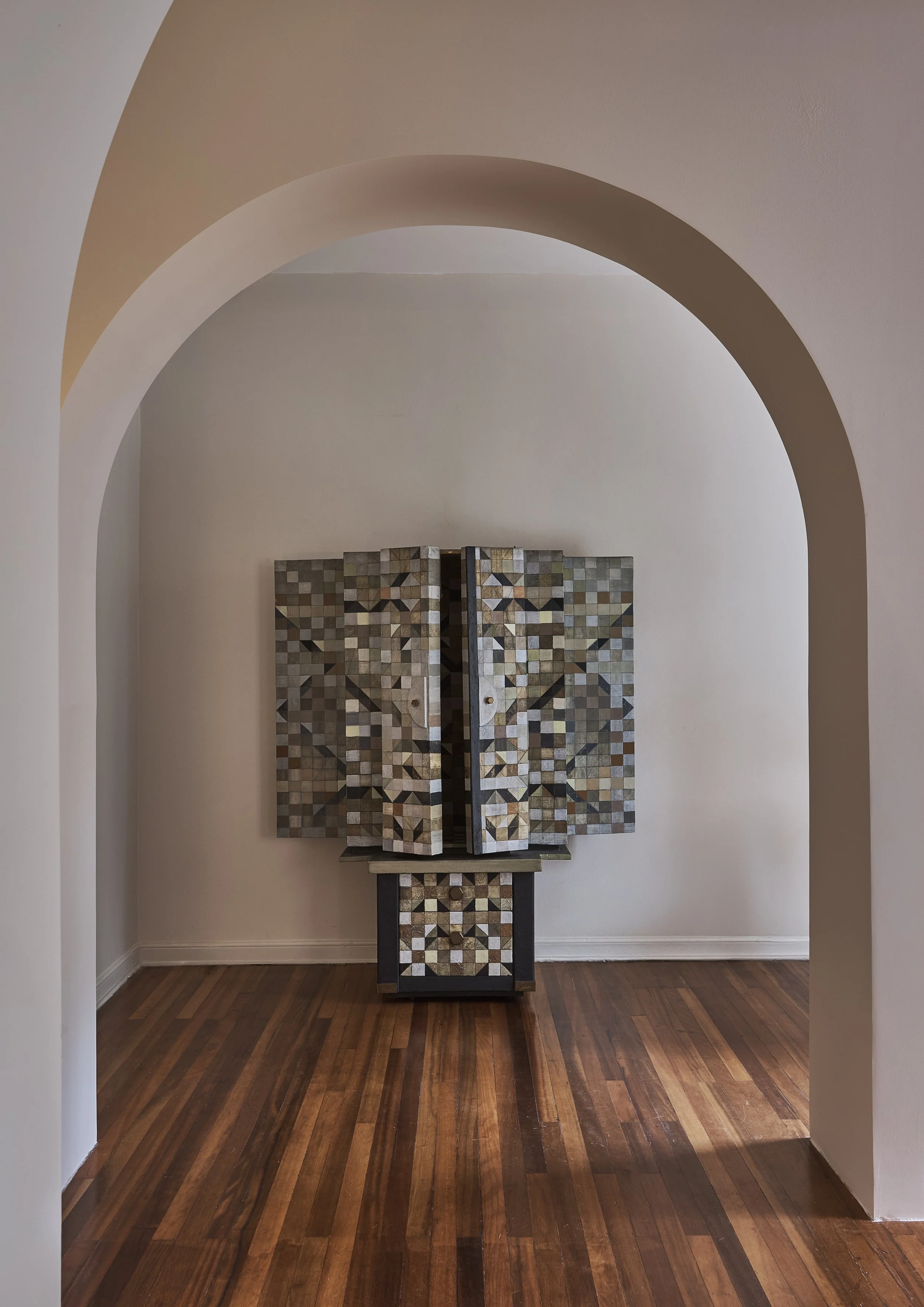
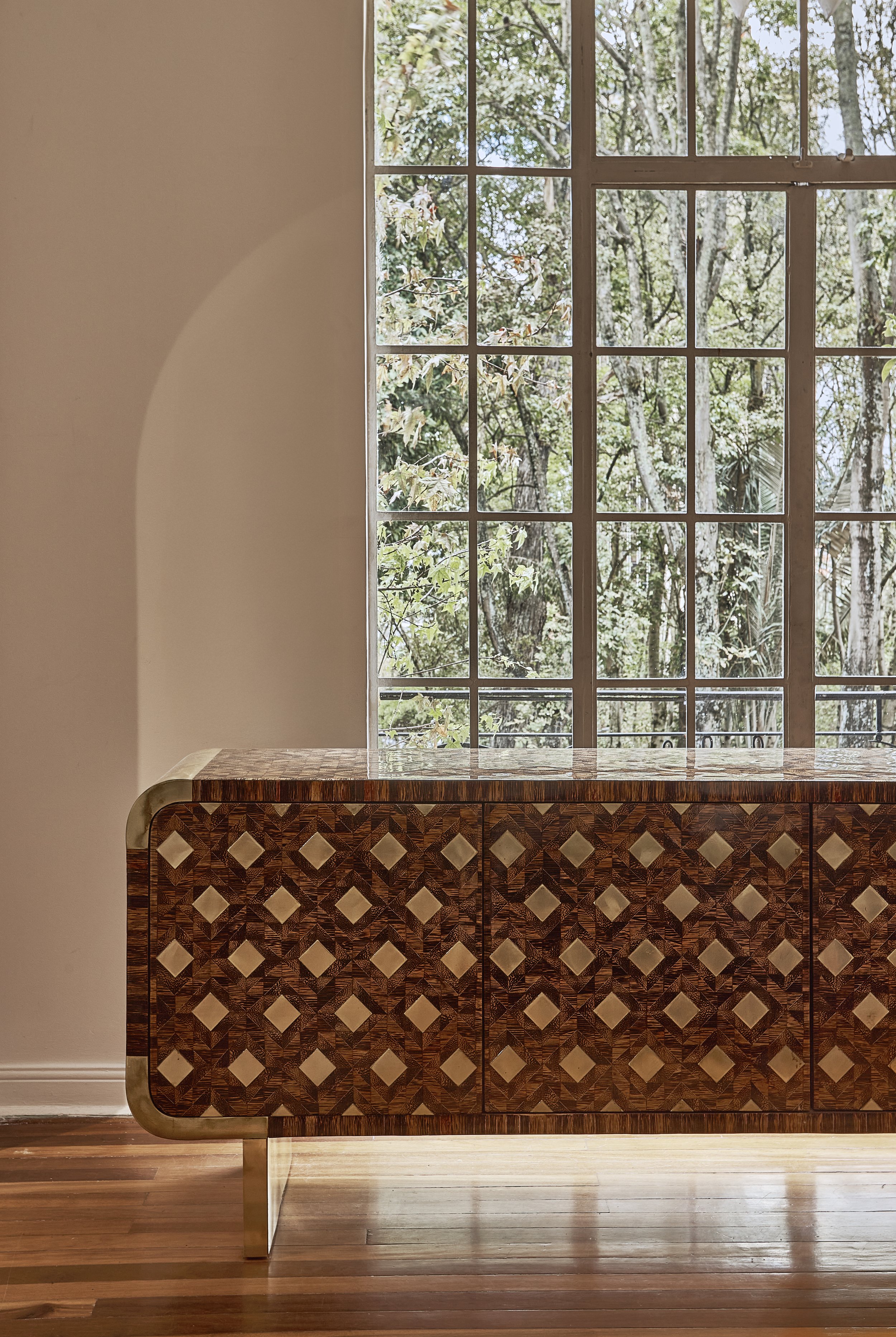
Together, these six designers hardly constitute a school, and that is precisely what makes them interesting. Their approaches range from rigorous to intuitive, restrained to exuberant, rational to experimental and occasionally irreverent. What connects them is something less easily taught: judgement, curiosity and an exceptional freedom to imagine.
They also share Colombia. Not necessarily as a birthplace, but as a place of practice, exchange and belonging. After all, a country's design culture is shaped not only by those born within its borders, but also by those who arrive, observe, interpret, challenge and choose to contribute to it.
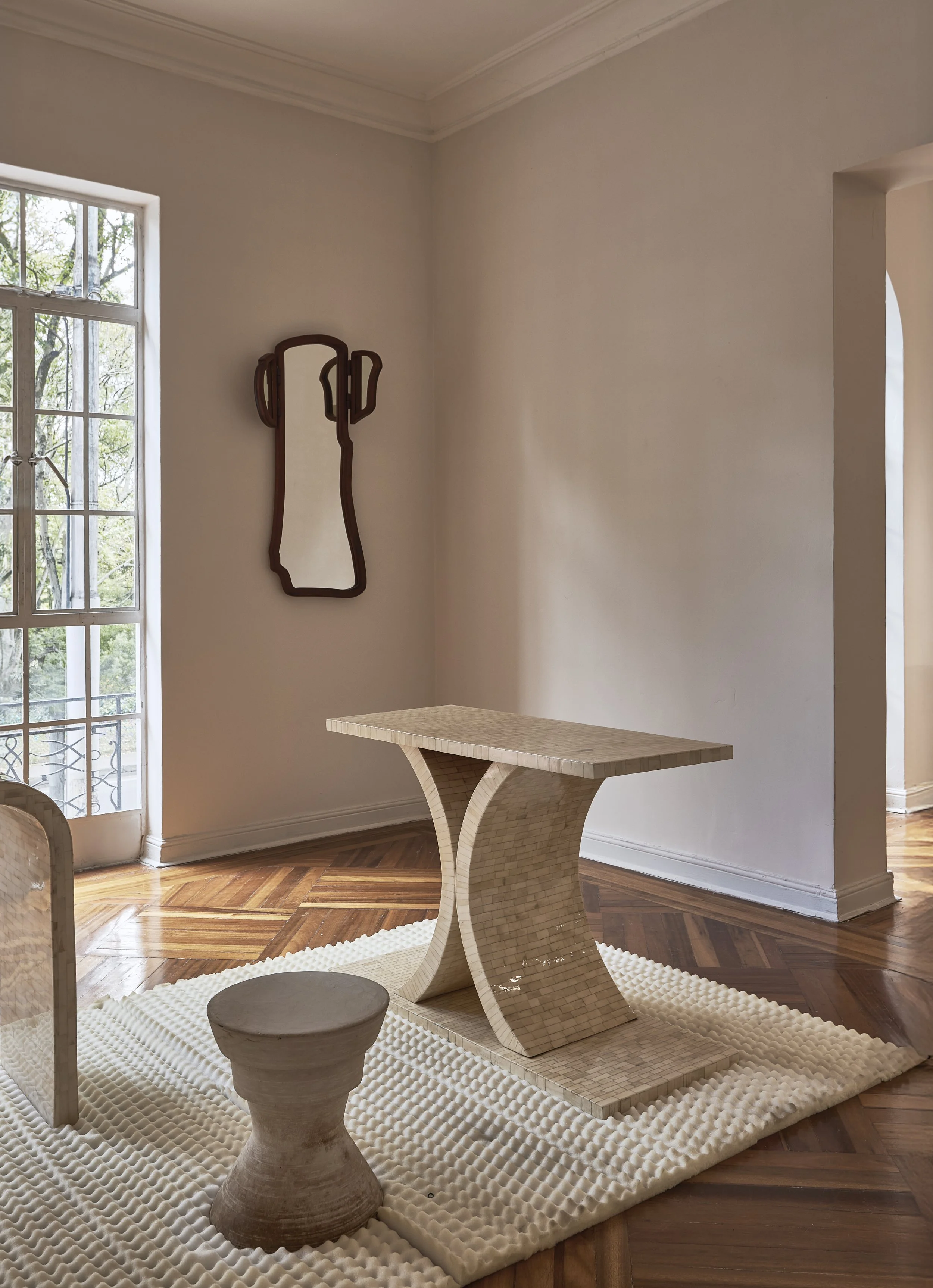
Designs of Jaime Gutíerrez Lega, William Piedrahita and Jon Oberlaender.
Revisiting their work is not simply an exercise in looking backwards. At a time when questions of identity, authorship and Colombian design are increasingly prominent, it is worth remembering that many of today's supposedly new conversations were already taking place decades ago — and, in some cases, had been addressed with remarkable sophistication.
Yet Los Fantásticos never intended to offer a comprehensive history. These six names represent only a starting point in a much larger narrative, one that remains fragmented across private collections, workshops, industries and archives. Many important figures and episodes were necessarily absent, not because their contributions were any less significant, but because the history of Colombian design is far richer than the attention it has received.
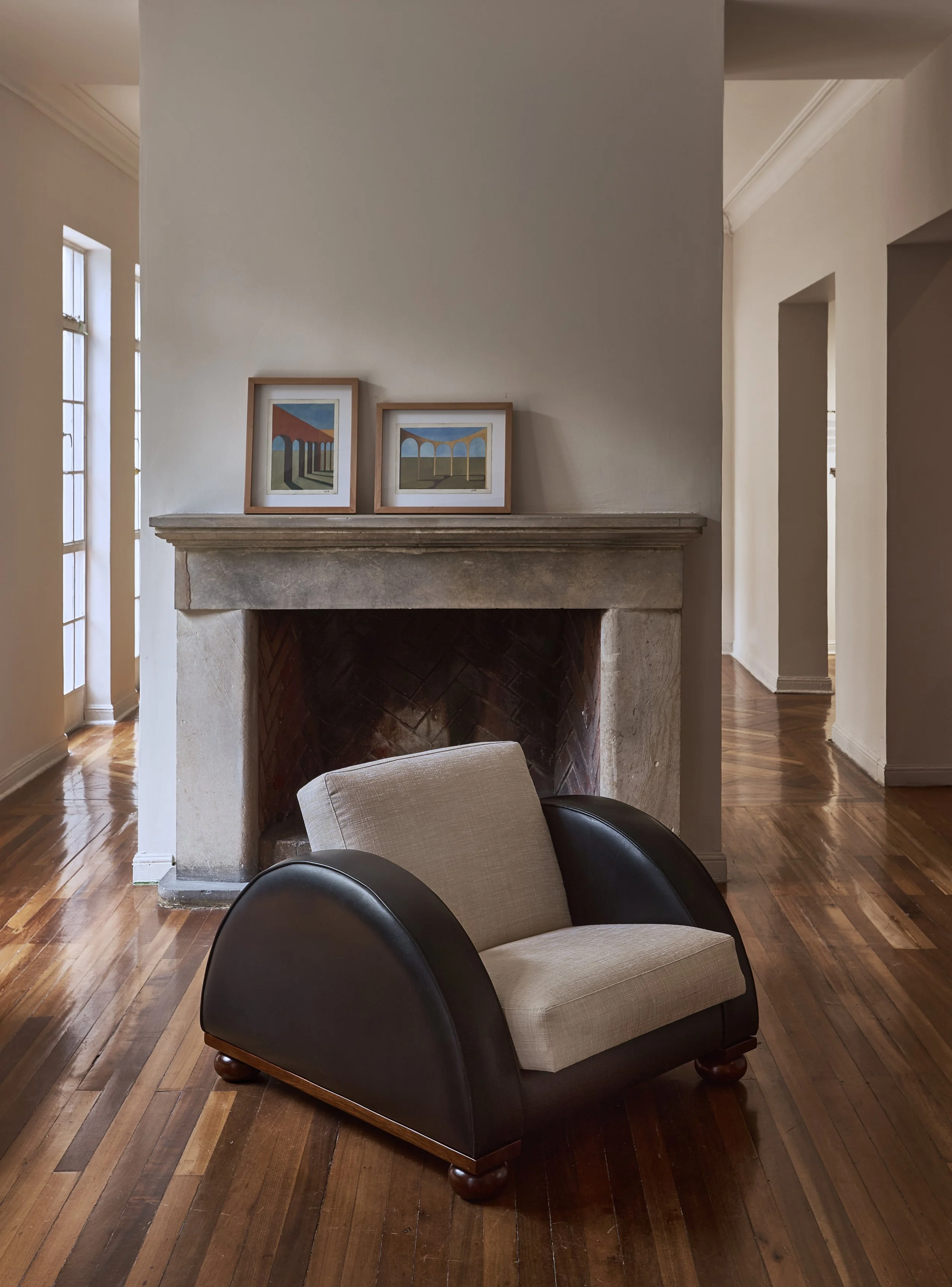
Designs of Jaime Gutíerrez Lega and Eric Bergman. Photography: ©Monica Barreneche
The exhibition, which has now closed, was both a tribute and an opening proposition: an invitation to rediscover these figures, reconsider their contributions and return their work to the contemporary conversation, while continuing to search for those still missing.
Before looking too far afield for references, perhaps it is worth recognising the extraordinary design history that has been here all along — one we are only beginning to tell.