
Designing the Unseen
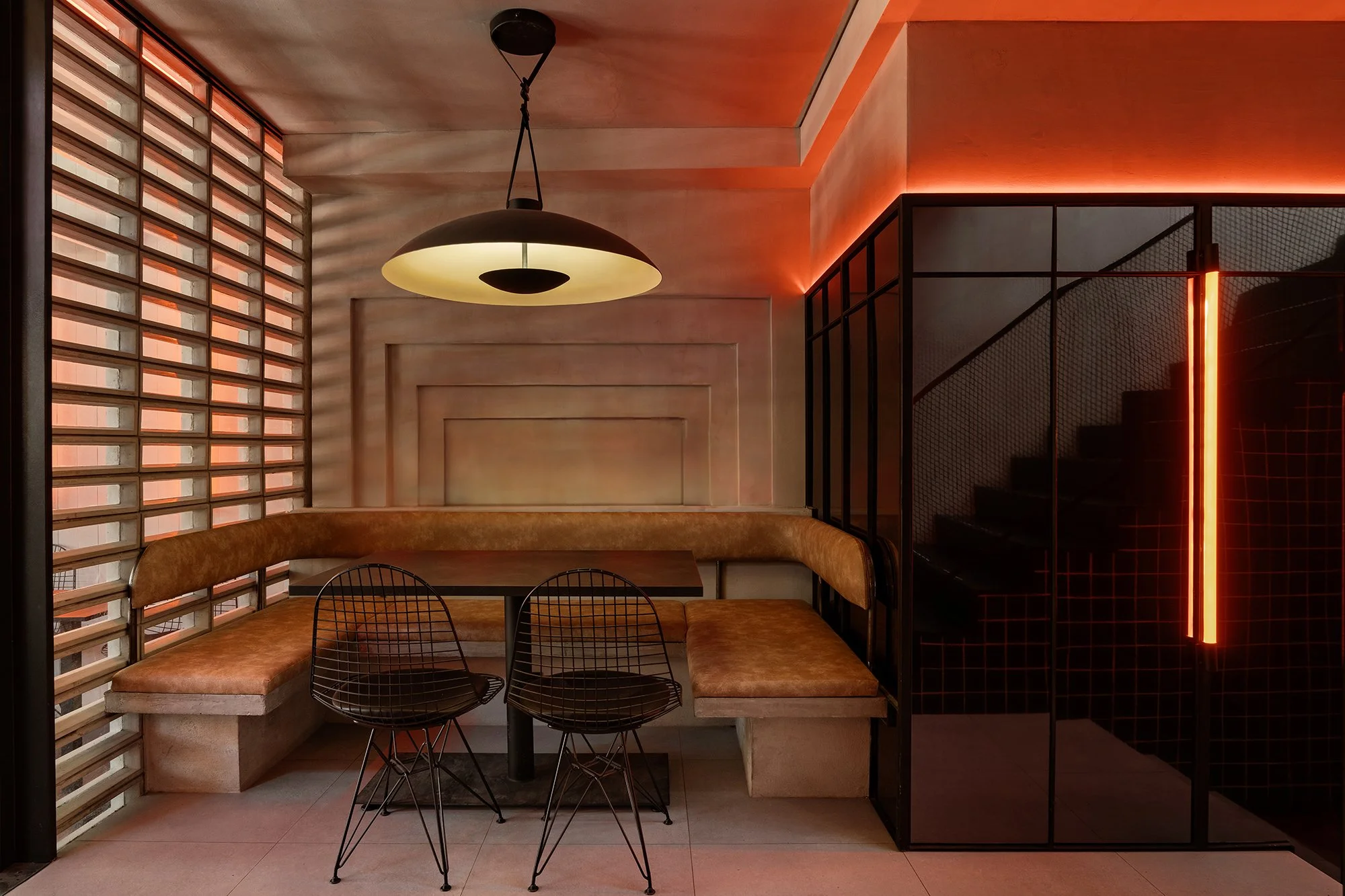
Bicono. photo: Tragaluz
Trained between New York, Miami, and Bogotá, Santiago Peraza has built a practice where interiors, light, and experience operate as a single system. Rather than producing spaces, his work is concerned with calibrating how they are perceived, moved through, and ultimately inhabited.
Peraza did not set out to become an architect. Born in Miami in 1986 into a family of architects, he spent years orbiting the discipline without fully claiming it—drawn instead to the broader territory of design: objects, atmospheres, and in-between conditions. When he enrolled at the Javeriana University in Bogotá, it was less a matter of calling than of positioning—an understanding of architecture as a platform from which to move across languages.
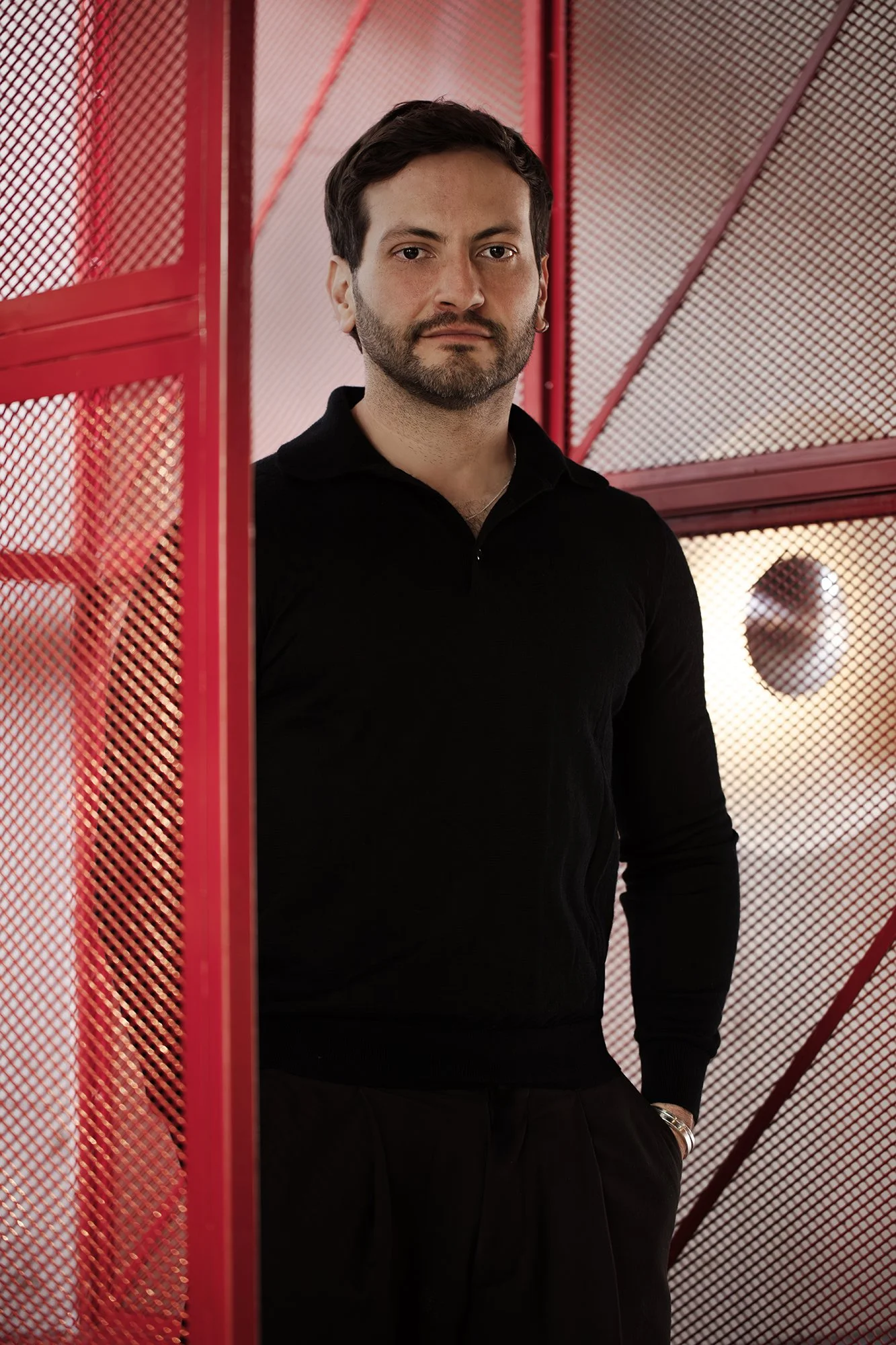
Architect Santiago Peraza
The shift came not in a classroom, but in Cartagena, during an academic project that asked him to design a hotel in a historic house. Until then, architecture had felt abstract, distant. Confronted instead with interiors—with atmosphere, with the way a space is actually lived—he understood that his interest lay not in the building as object, but in the experience unfolding within it.
That intuition shaped what followed. After an early stint in Miami at Kobi Karp, he moved to New York to study interior design at Parsons, entering a context where design operated with precision and intent. He worked first at Roche Bobois, then at Soho House under Vicky Charles, where he developed a method grounded in the control of detail, the calibration of light, and the quiet integration of the technical.
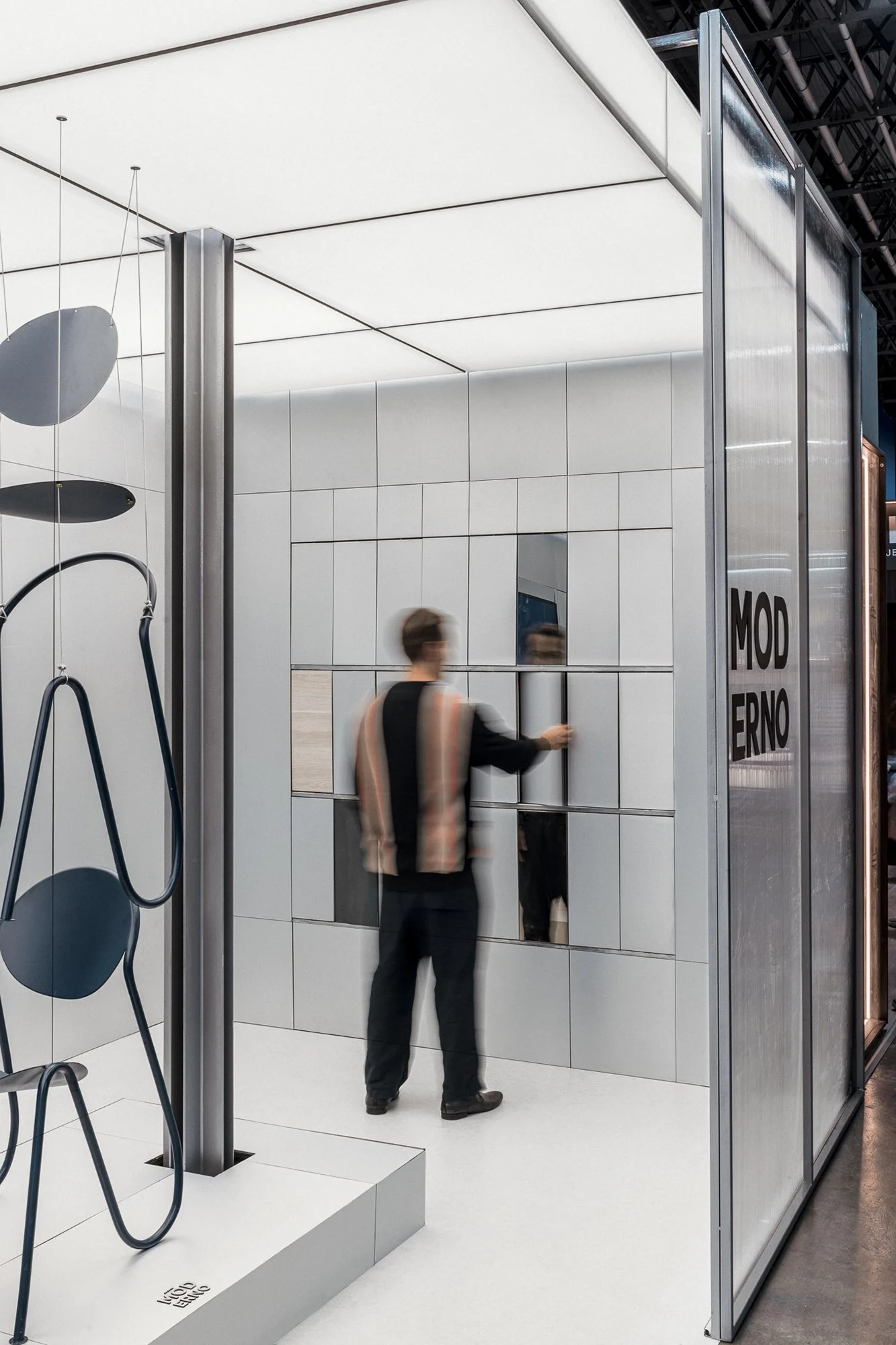
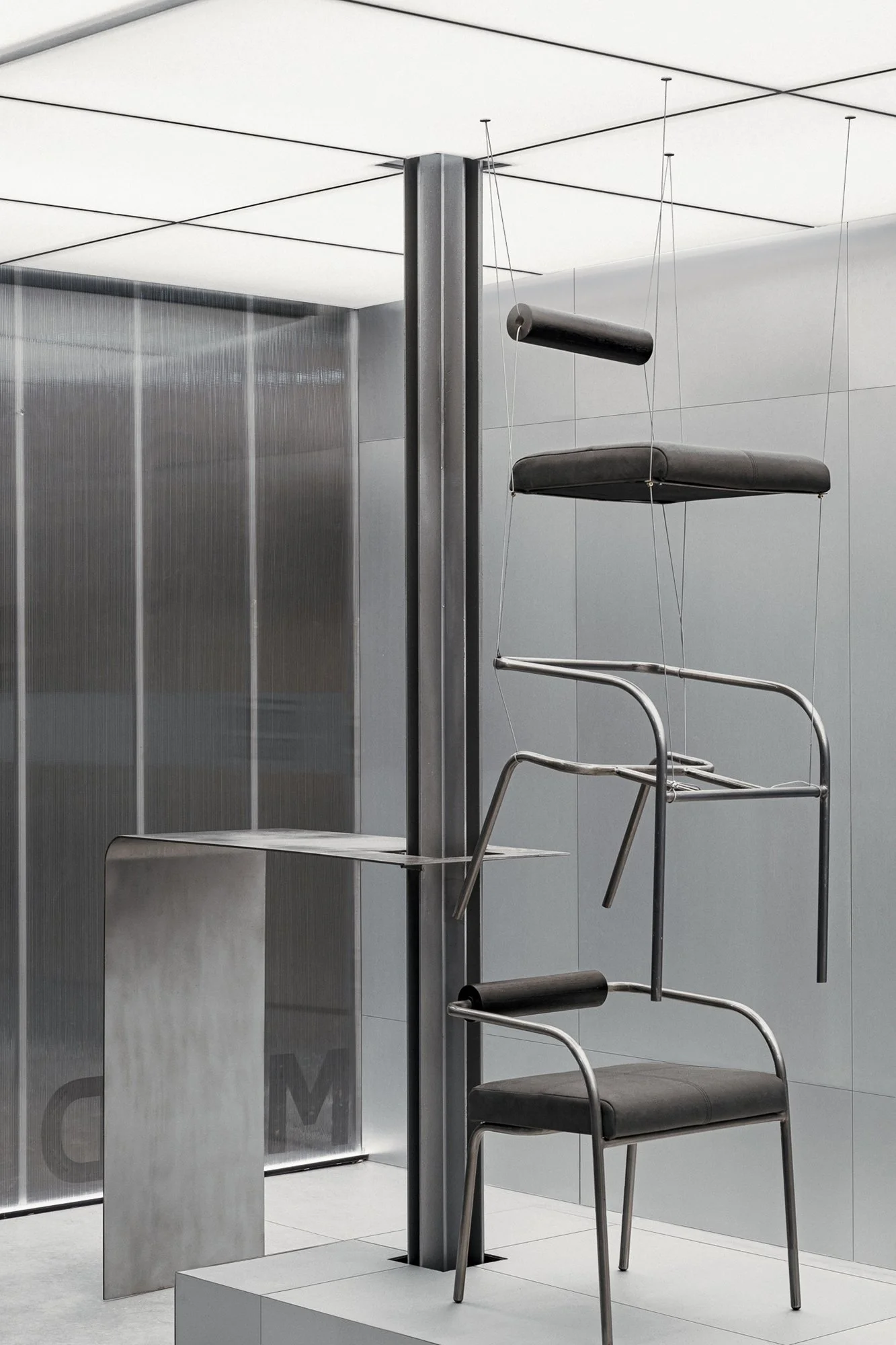
That rigor remains central to his work. After several years in New York, Peraza returned to Colombia in search of a more personal practice. The turning point came with Tremé, in Bogotá’s Quinta Camacho, where he assumed full authorship: space, furniture, lighting, atmosphere. More than a restaurant, it was a total operation—and the beginning of Studio Peraza.
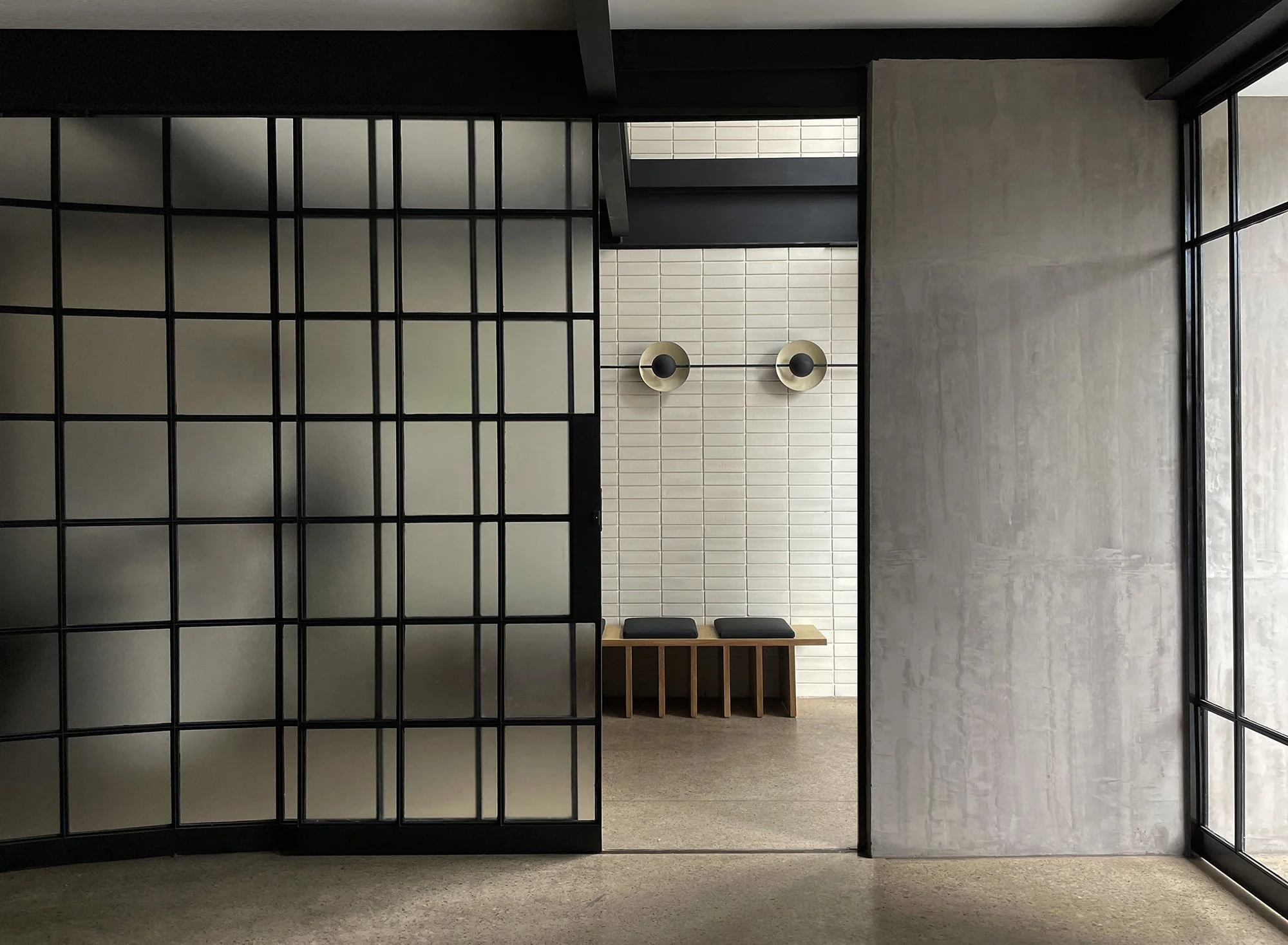
Photo: Tragaluz
More recently, his participation in Design House Colombia marked another inflection point. Working with glass, he produced a space that felt both exacting and immaterial, where every decision revealed a near-microscopic attention to detail. It read as a synthesis of his approach: matter, light, and atmosphere aligned with precision.
Light, in his work, is not additive but structural. It replaces generic solutions with indirect, integrated systems that shape how a space is perceived. This is evident in projects like Shio, in Santa Marta, set within a former gym. Rather than conceal constraints, he works through them: columns establish rhythm, level changes choreograph movement, and materiality builds a restrained reading that resists cliché.
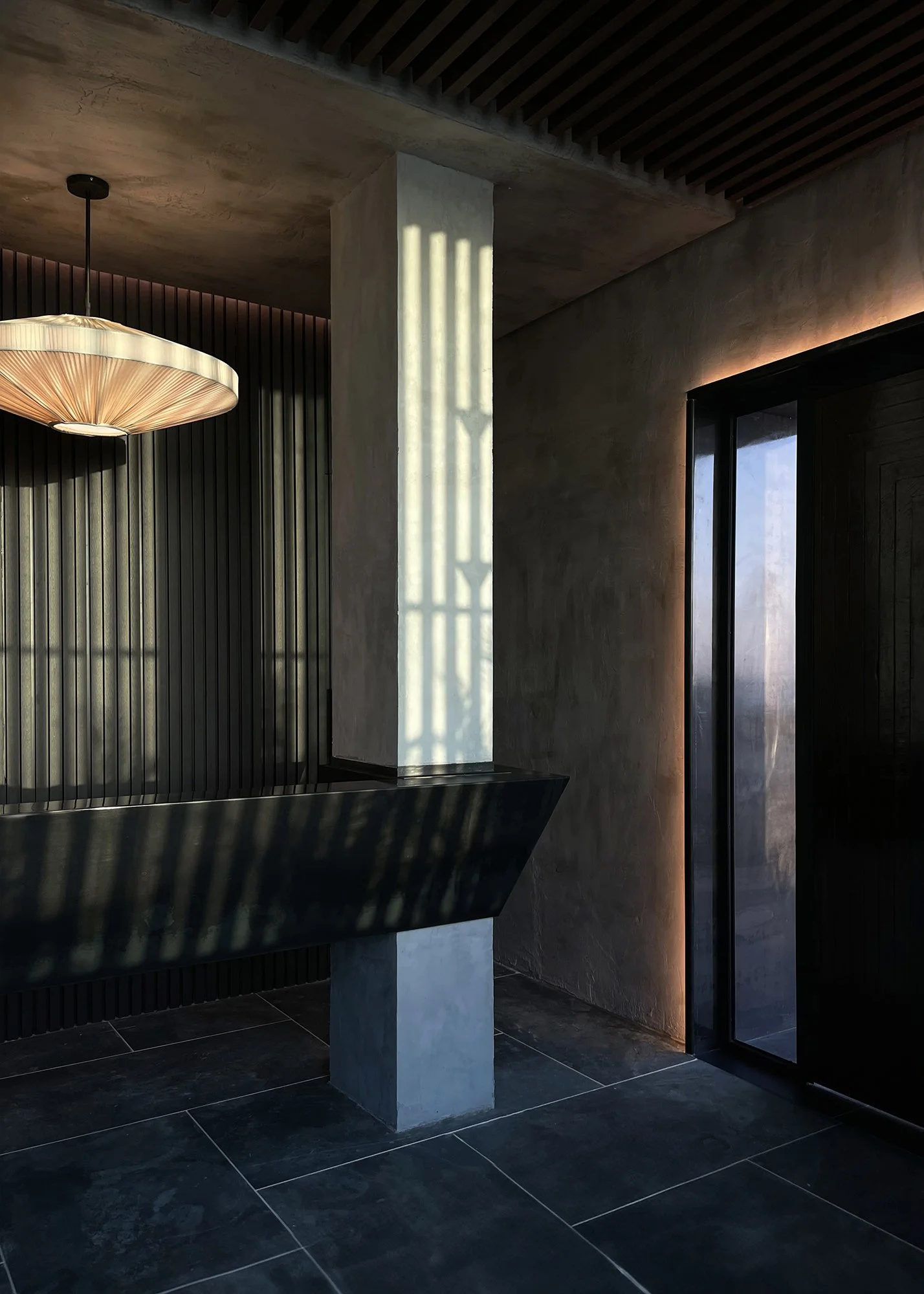
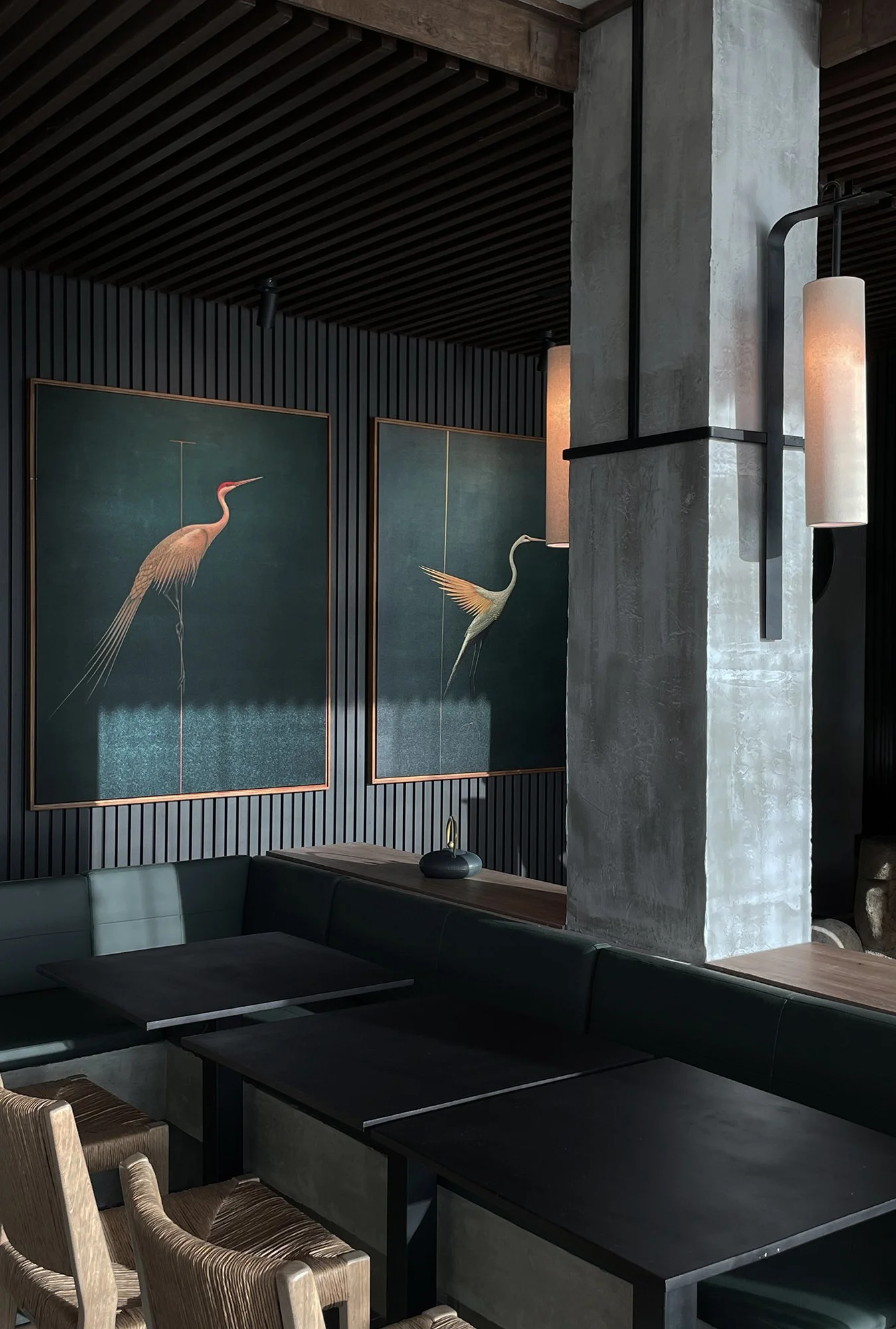
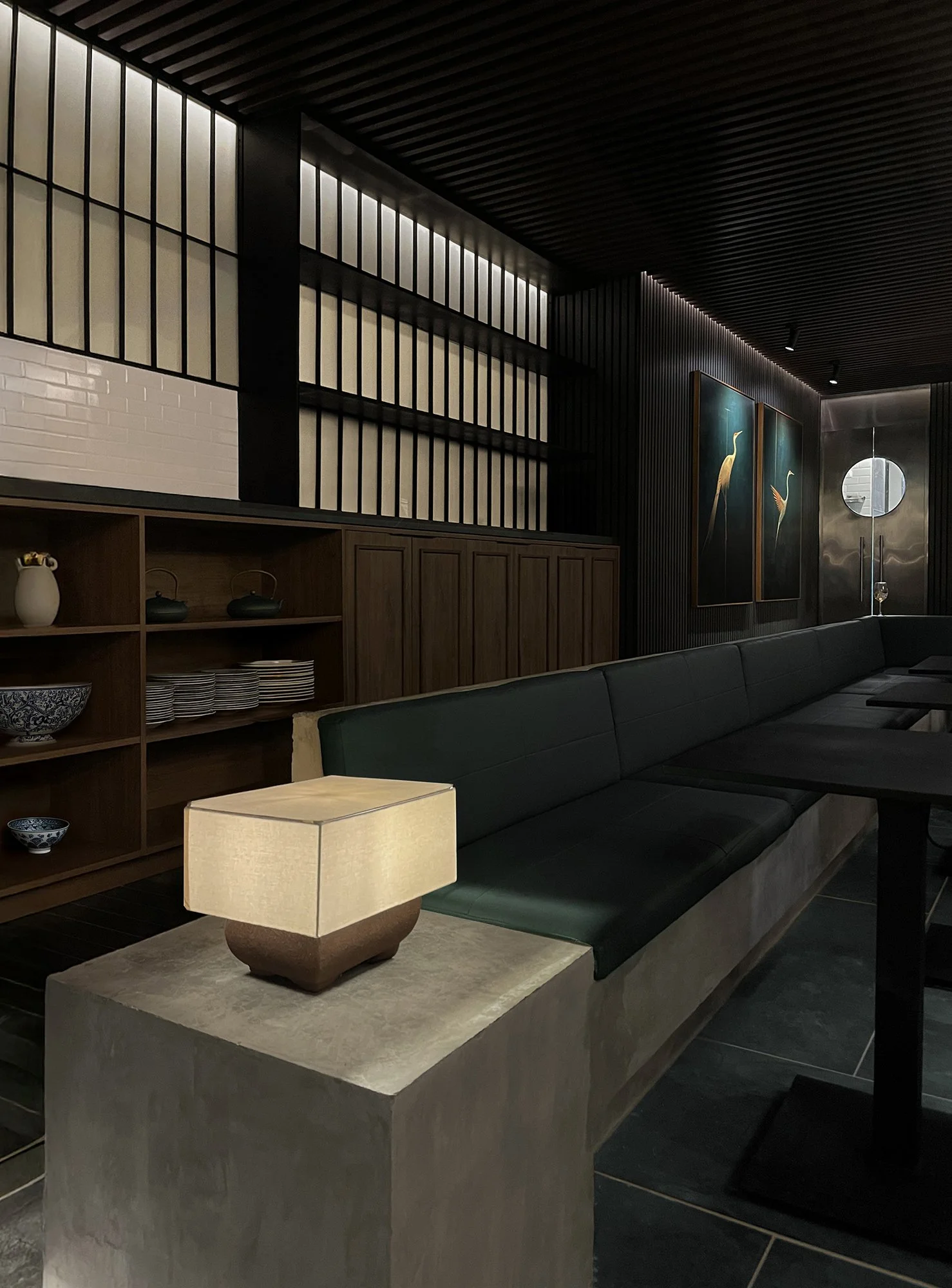
Each project begins with a careful reading of place, user, and intent. From there, the design expands into a complete experience—one that can extend from spatial strategy to elements as specific as tableware or sound. At Studio Peraza, architecture, interiors, and atmosphere are not separate disciplines, but parts of a single system.
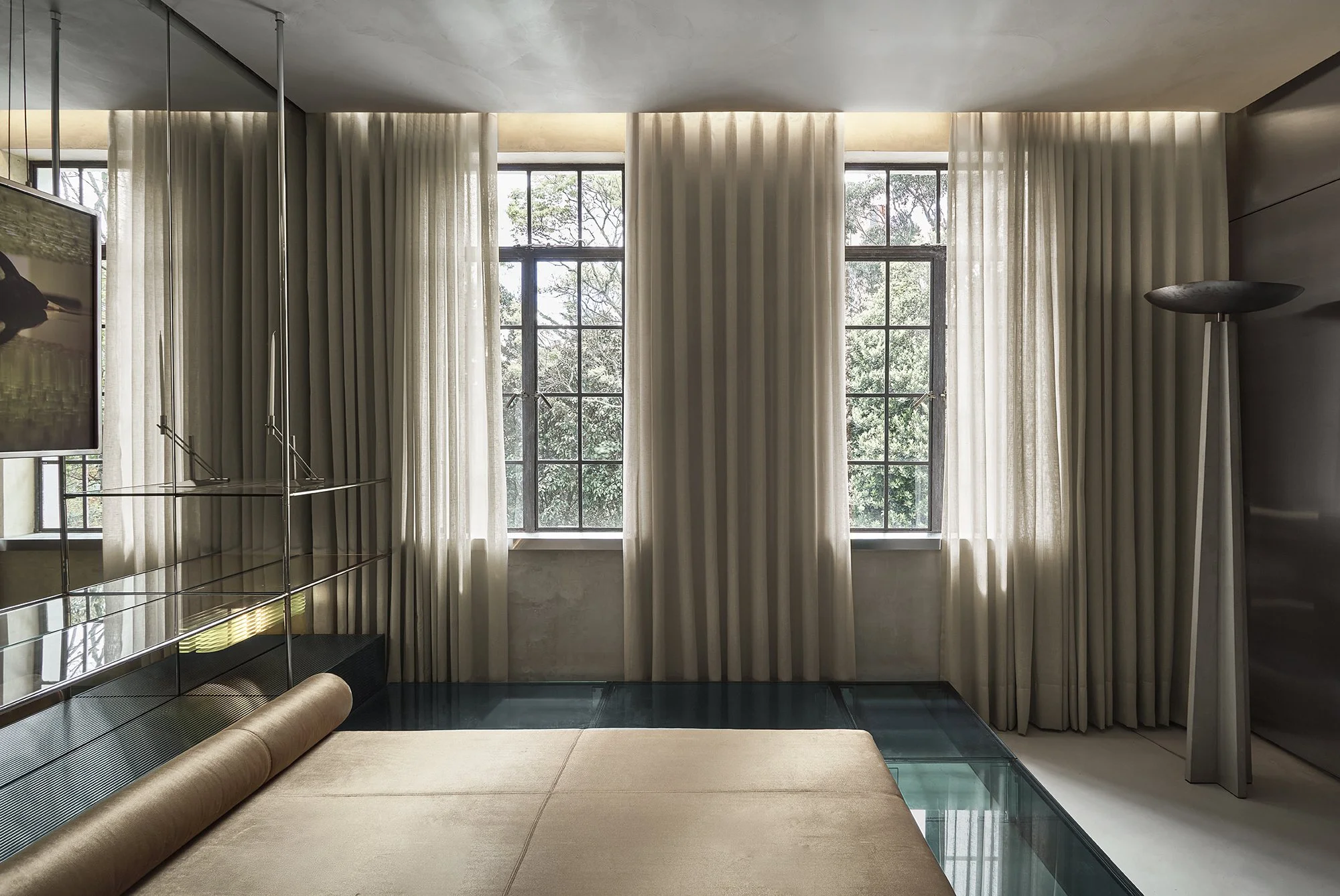
Design House Colombia 2025. Photo: Monica Barreneche
This approach positions him within a new generation of architects in Colombia—less invested in form as authorship, more in experience as outcome. His projects, often tied to hospitality, are not conceived as objects but as living environments.
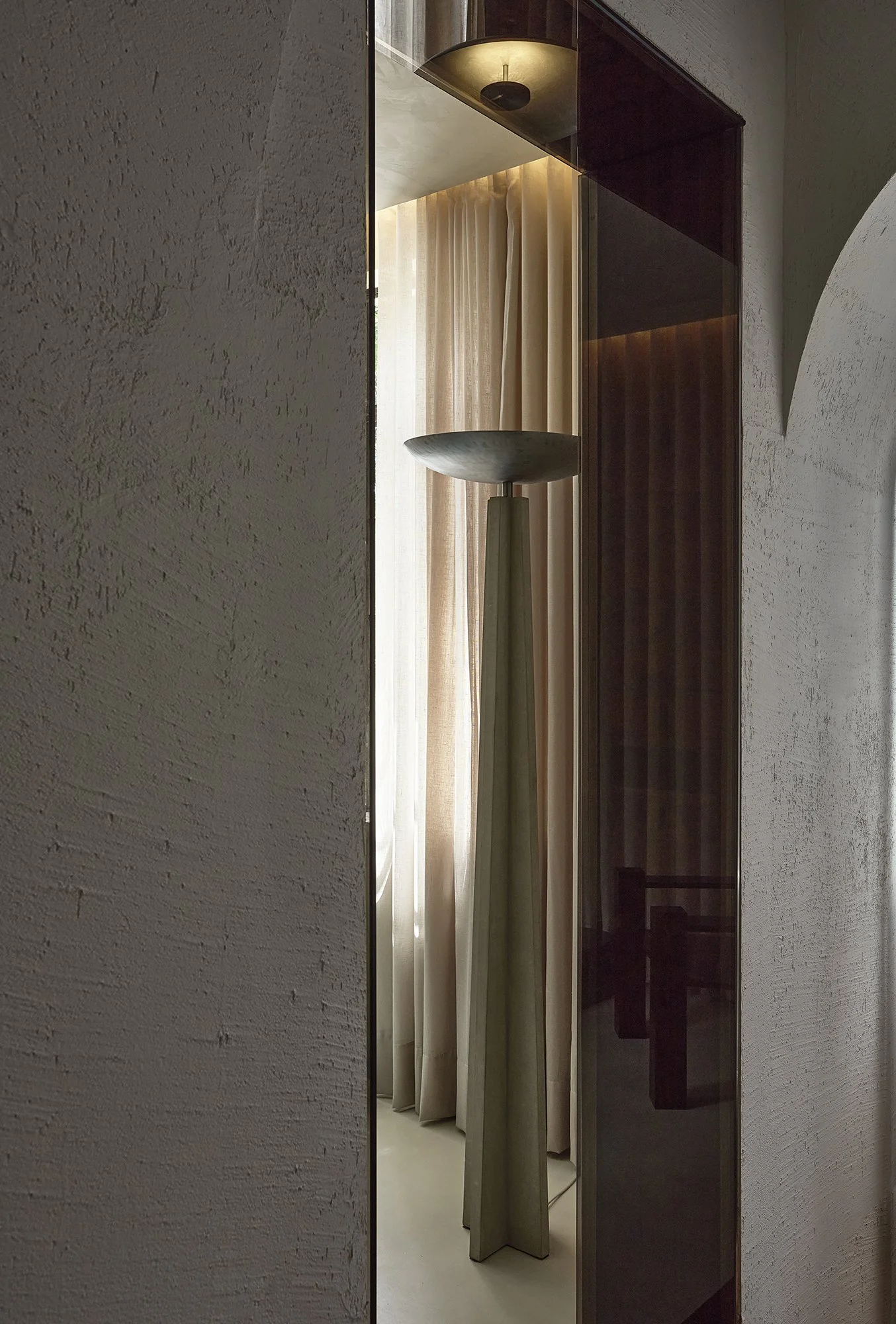
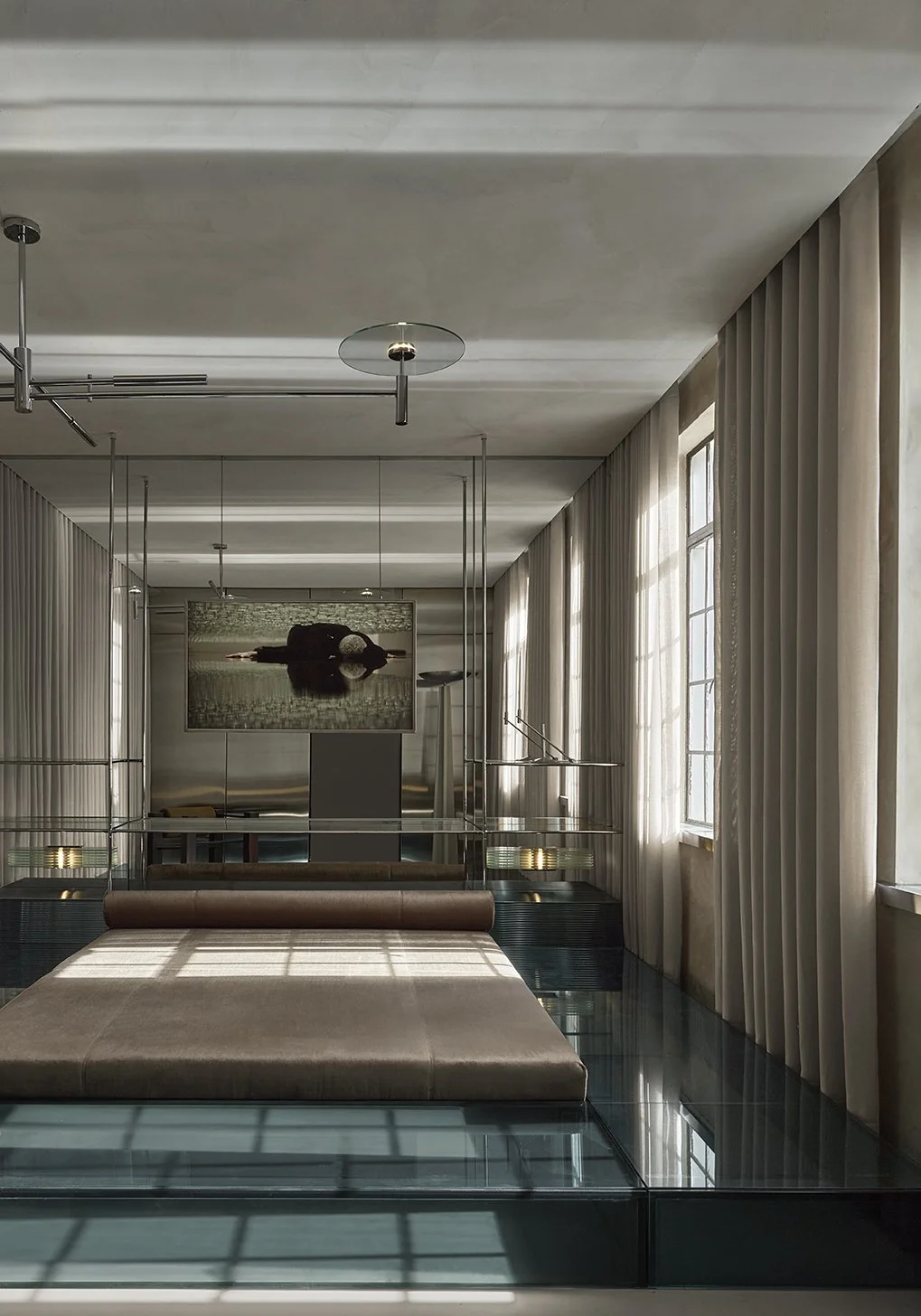
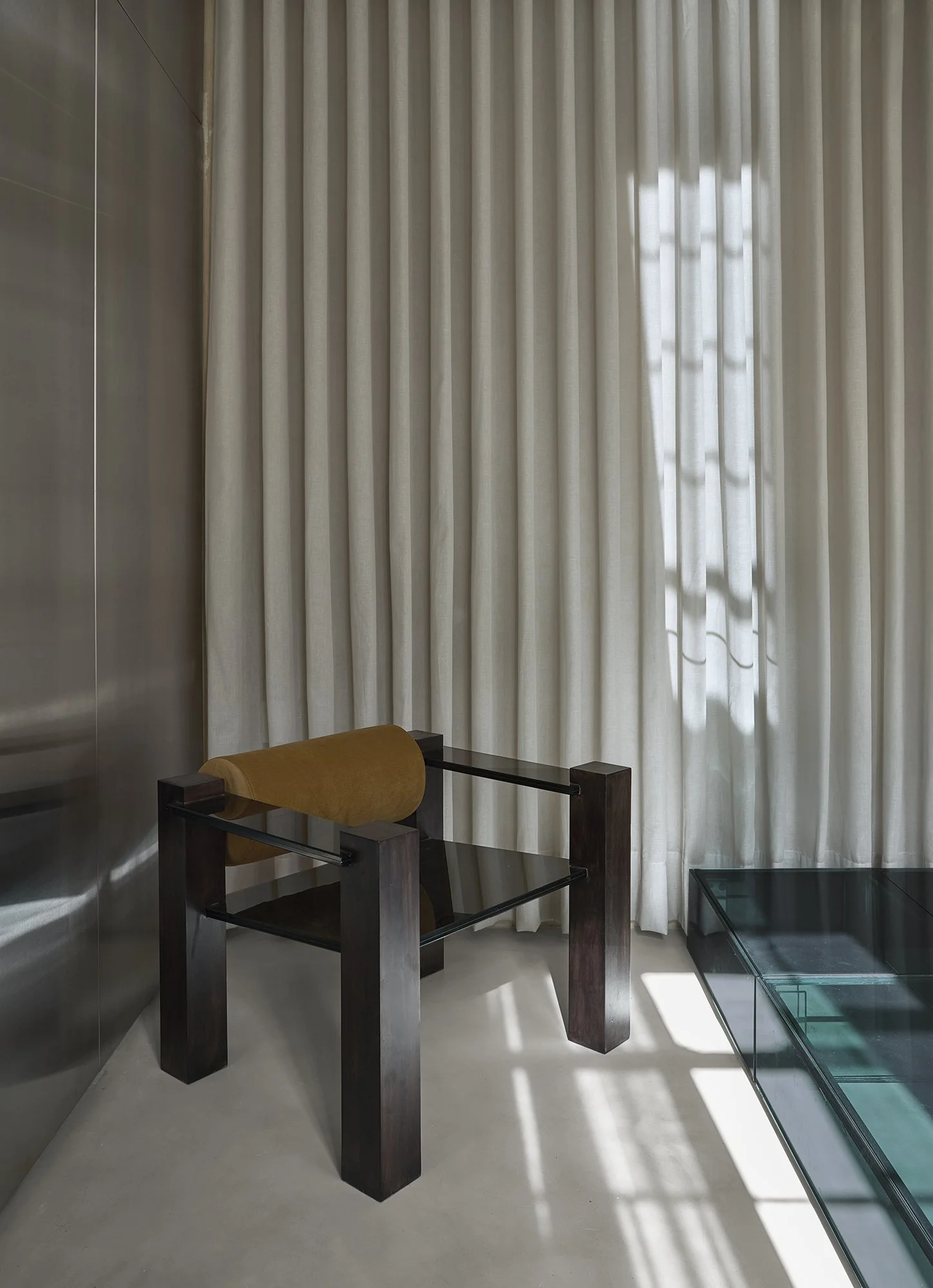
Ask him why he does it, and the answer is disarmingly clear: opening night. The light, the music, the people inhabiting the space. It is in that moment—when everything activates—that the work finds its meaning.
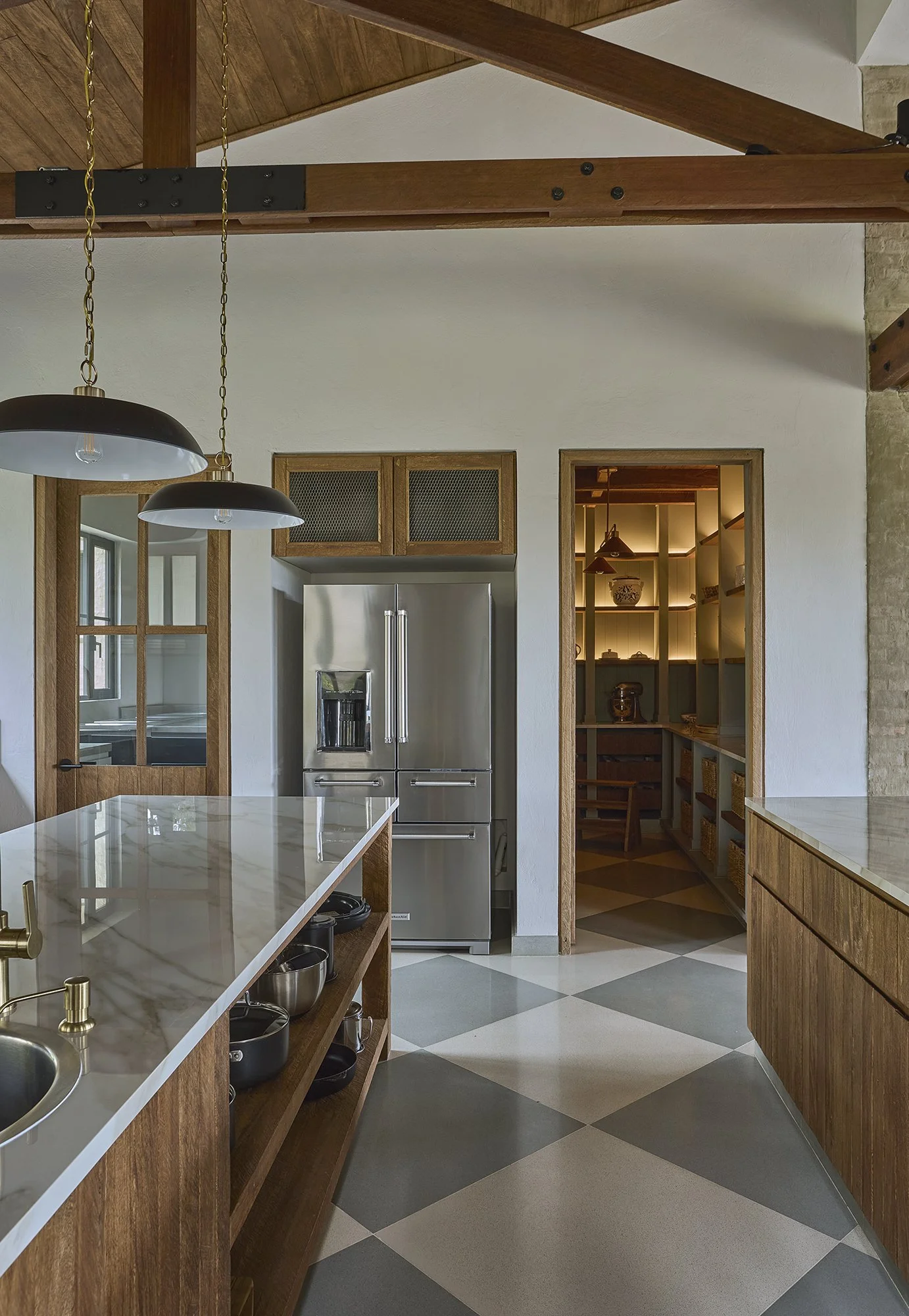
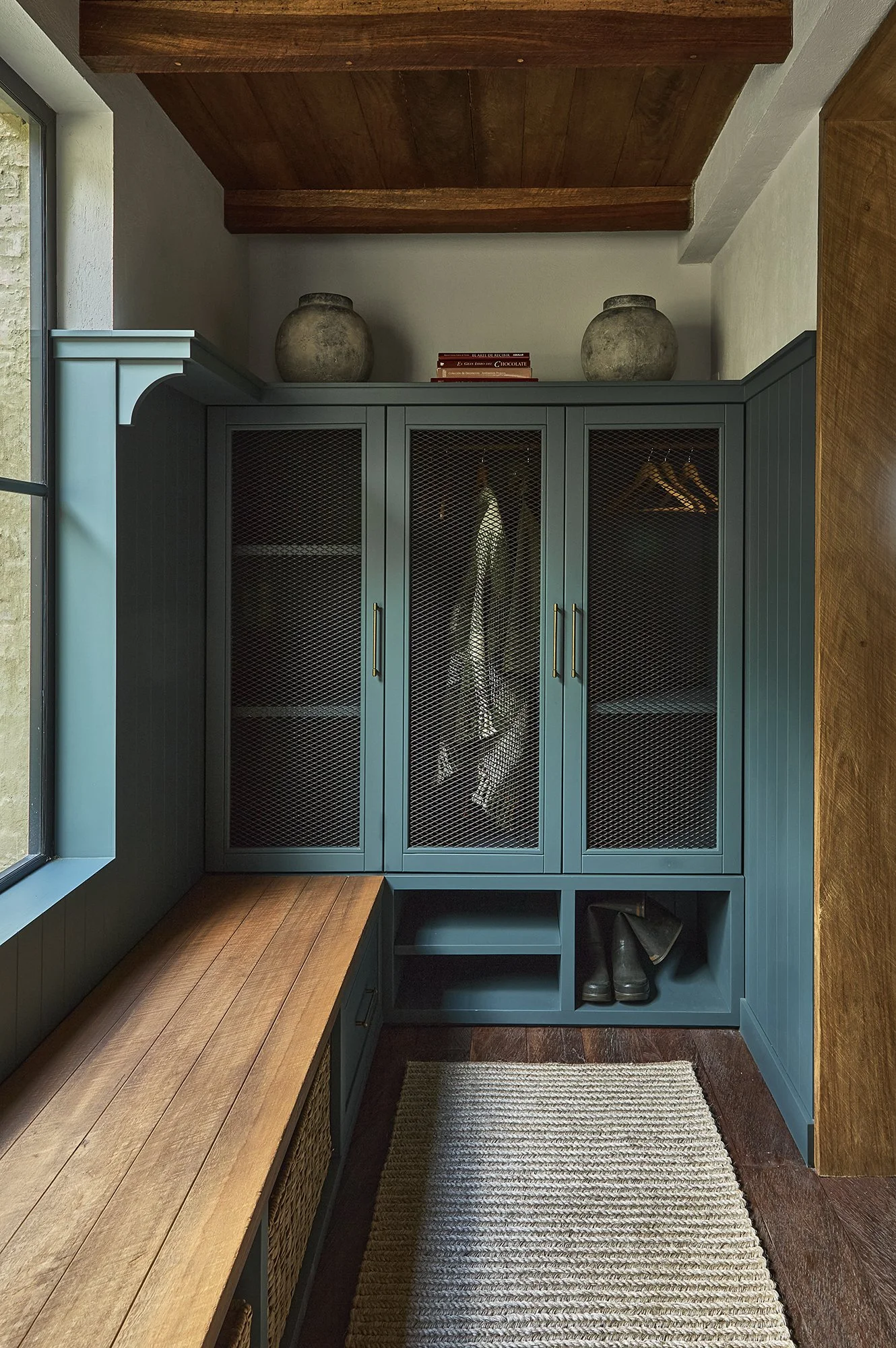
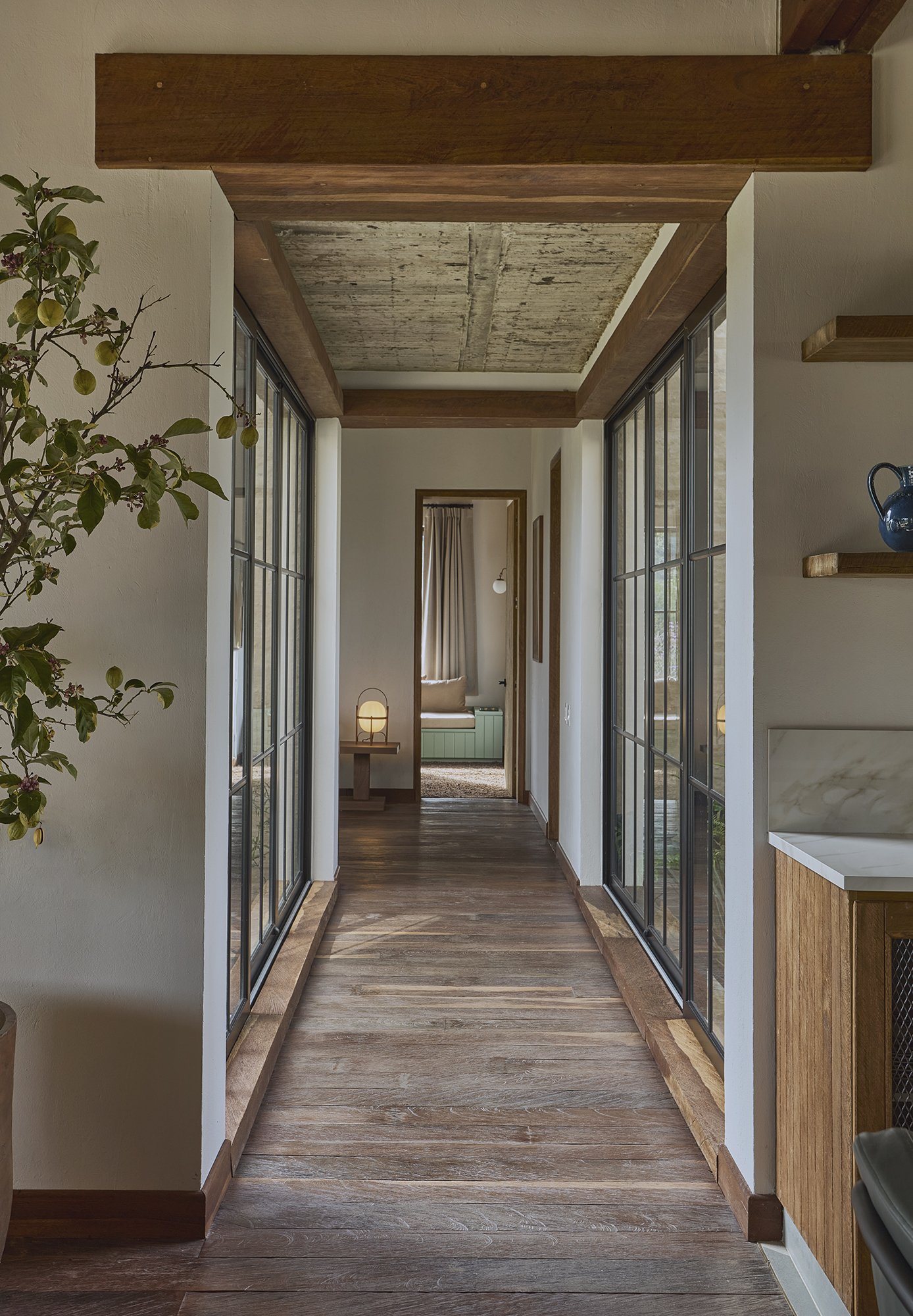
In a landscape where architecture oscillates between gesture and neutrality, Studio Peraza occupies a more exacting ground: one where space, light, and material coalesce into a continuous experience.
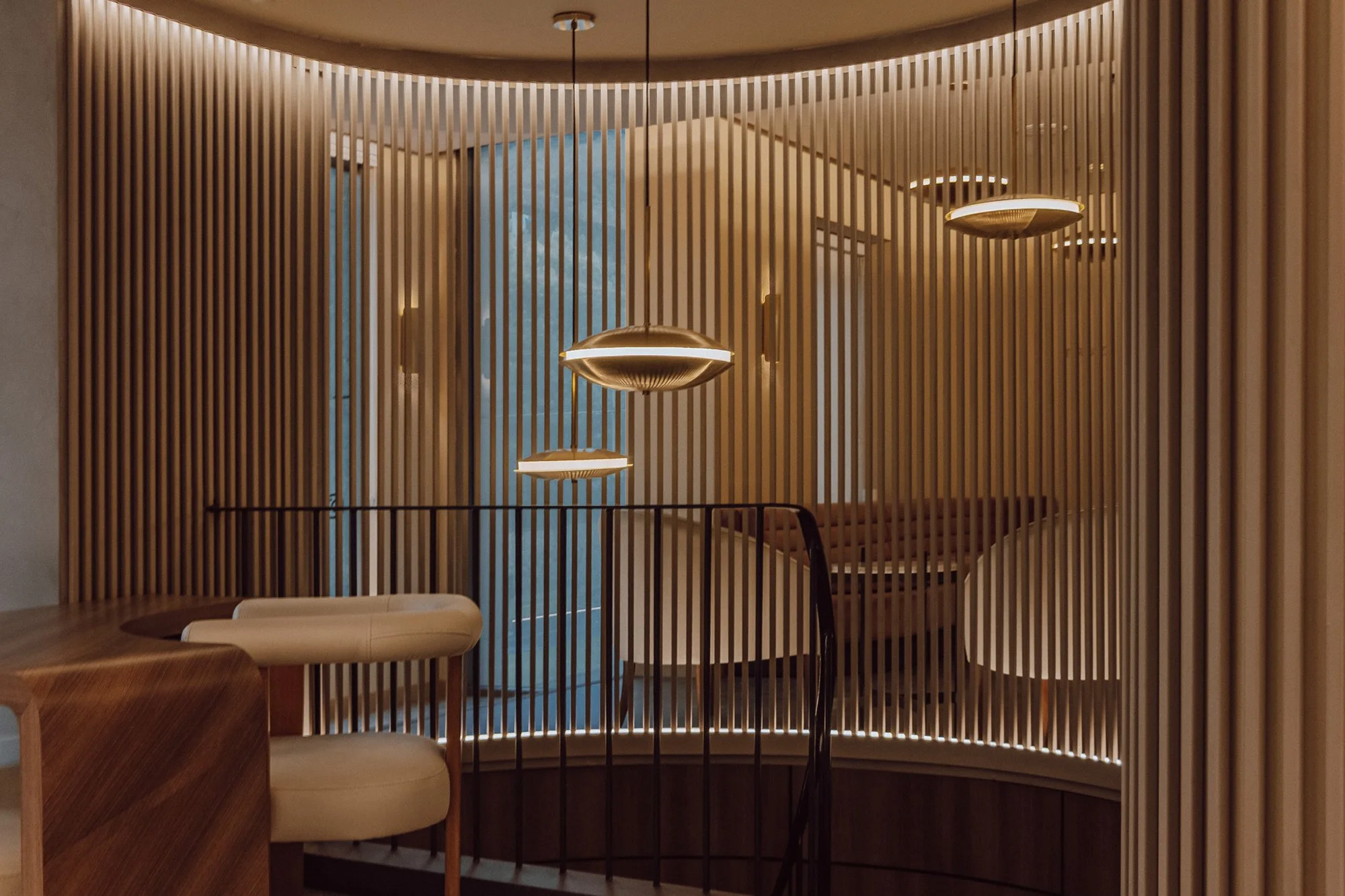
The Room. Photo Tragaluz