
The power of curation: what Design Hotels gets right
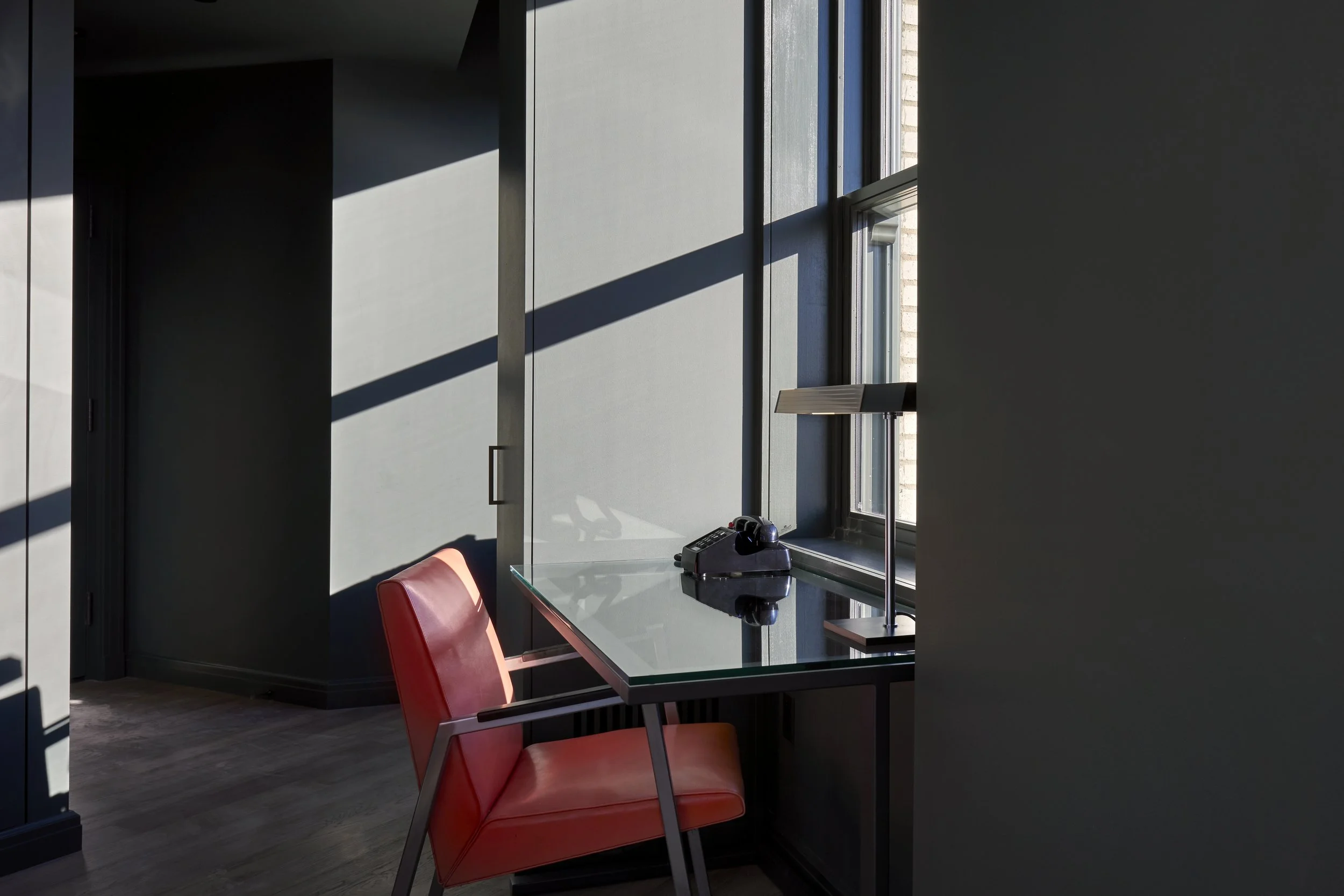
The Robey, Chicago. photo: Design Hotels
At a time when hotels increasingly speak the same visual language — pale woods, warm lighting, hushed spas and a rehearsed promise of wellness — there is a platform that, for over three decades, has chosen a different direction. Design Hotels is not a hotel chain. It never was. Rather, it operates as a way of editing the world through places. Founded in 1993 by Claus Sendlinger and based in Berlin, its origins are telling. Berlin — with its layered history, independent spirit and resistance to uniformity — does not simply host the brand; it defines it. From the outset, the proposition was clear: to build a global network of independently owned hotels without erasing their identity.
Today, under the direction of Stijn Oyen, that vision has only sharpened: less volume, more intent; less trend, more narrative. In a landscape dominated by large-scale hospitality groups built on replication, Design Hotels introduced something quietly radical: each property as an authored space, not a variation of a central script. This was never about luxury in its traditional sense, but about something more elusive — and ultimately more valuable —: discernment.
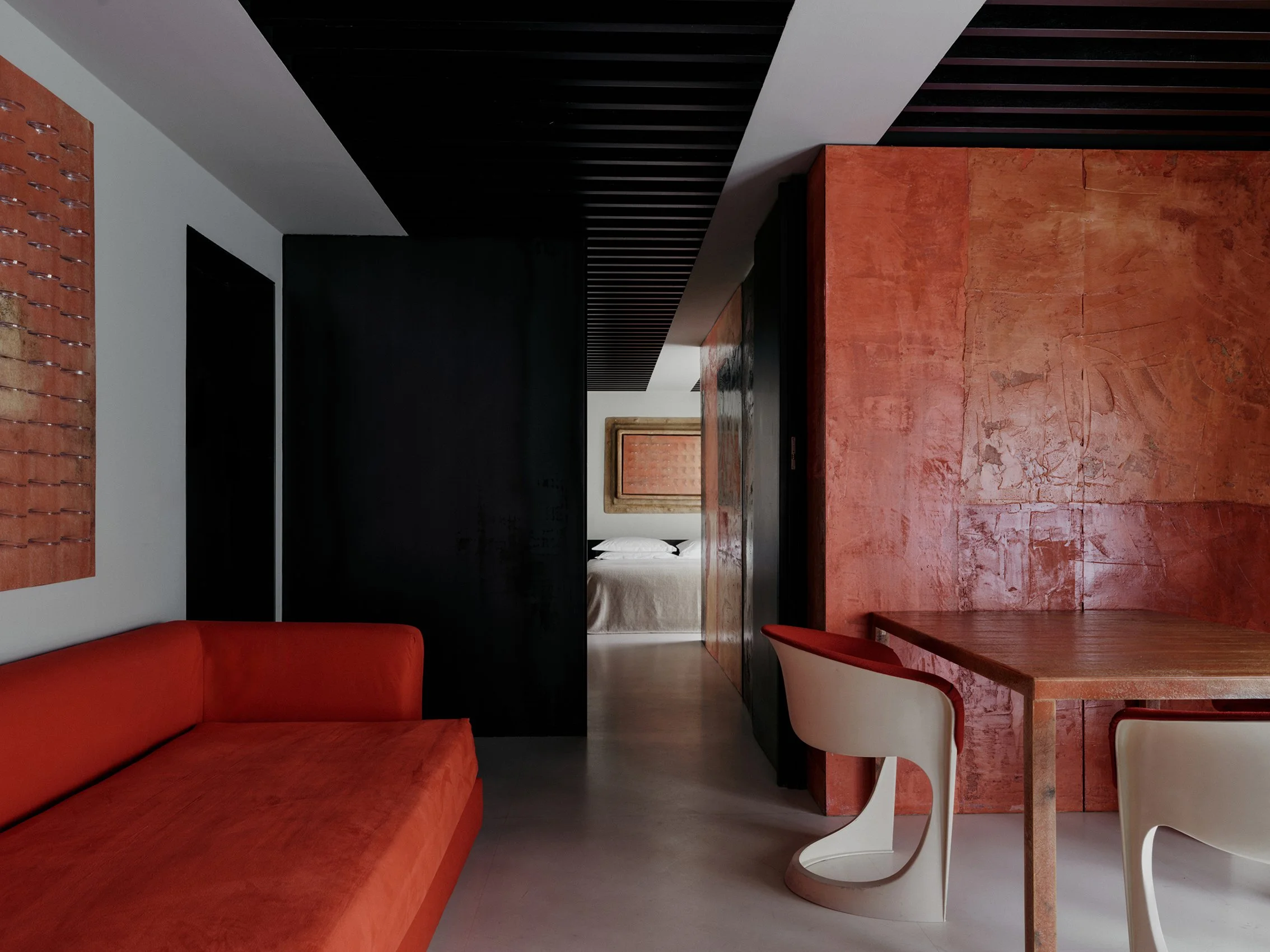
Straf Hotel, Milano. photo: Design Hotels
At its core, the model is curatorial. A tightly filtered selection, approached with the eye of an editor rather than the logic of an operator. Architecture with purpose, design with narrative — places that do not simply look considered, but carry meaning. The hotel shifts from container to medium. That editorial logic extends beyond the physical space. It takes form in initiatives such as Directions, a publication that reads less like a brand extension and more like a cultural object — exploring territory, design and contemporary thought with a clarity that resists promotion. It is not a catalogue; it is a point of view.
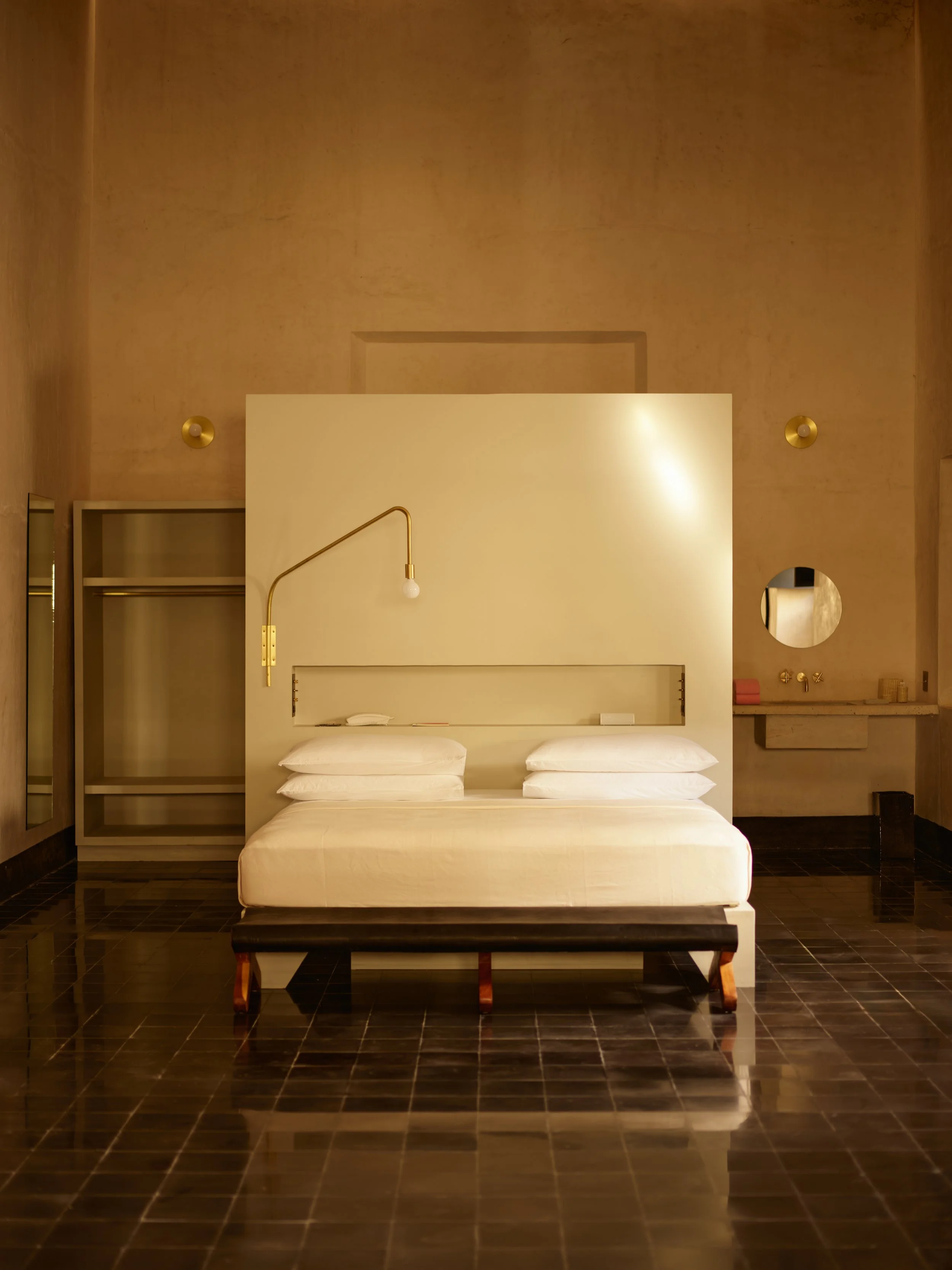
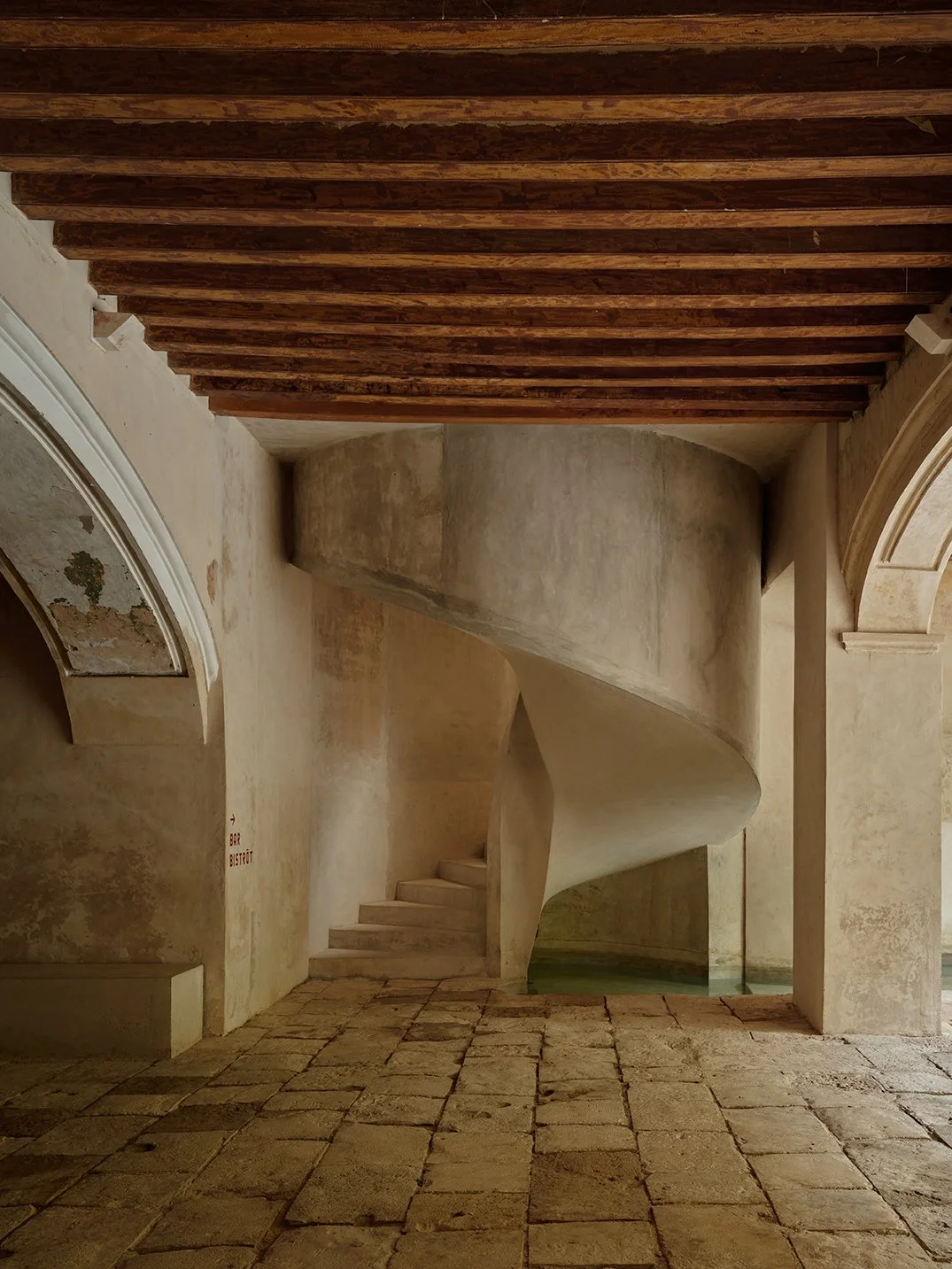
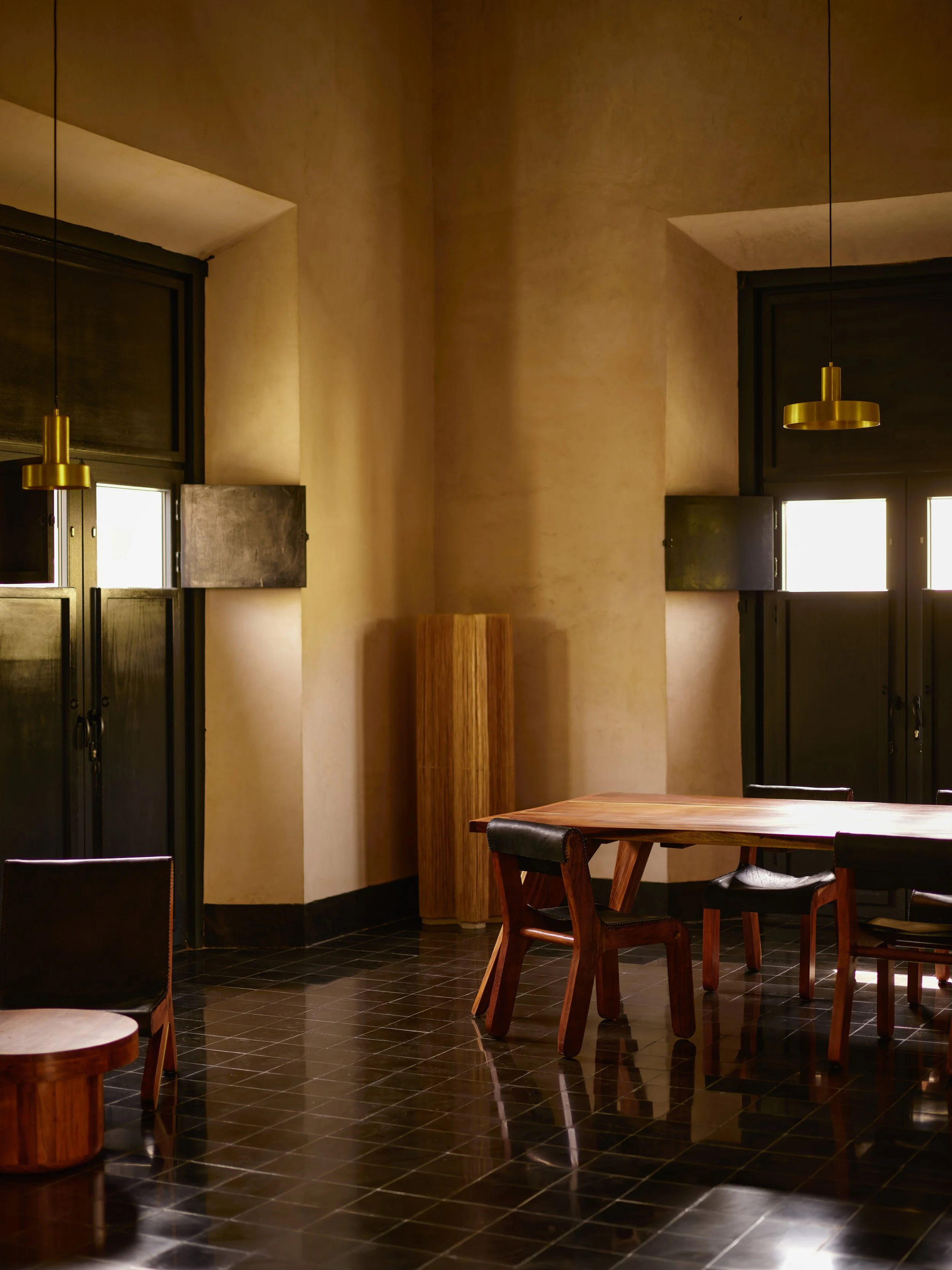
Hotel Sevilla, Merida. photo: Design Hotels
And this is where its relevance lies. Design Hotels understood early on that travel is no longer about movement, but about identity. The guest is not simply looking for where to stay, but for how to experience a place — and, in turn, how to situate themselves within it. For that reason, the value it offers is not found in perks, but in perspective. In the ability to navigate an increasingly saturated landscape without defaulting to the interchangeable. In accessing places that feel discovered rather than delivered. There are no guarantees of traditional luxury, nor of seamless uniformity.
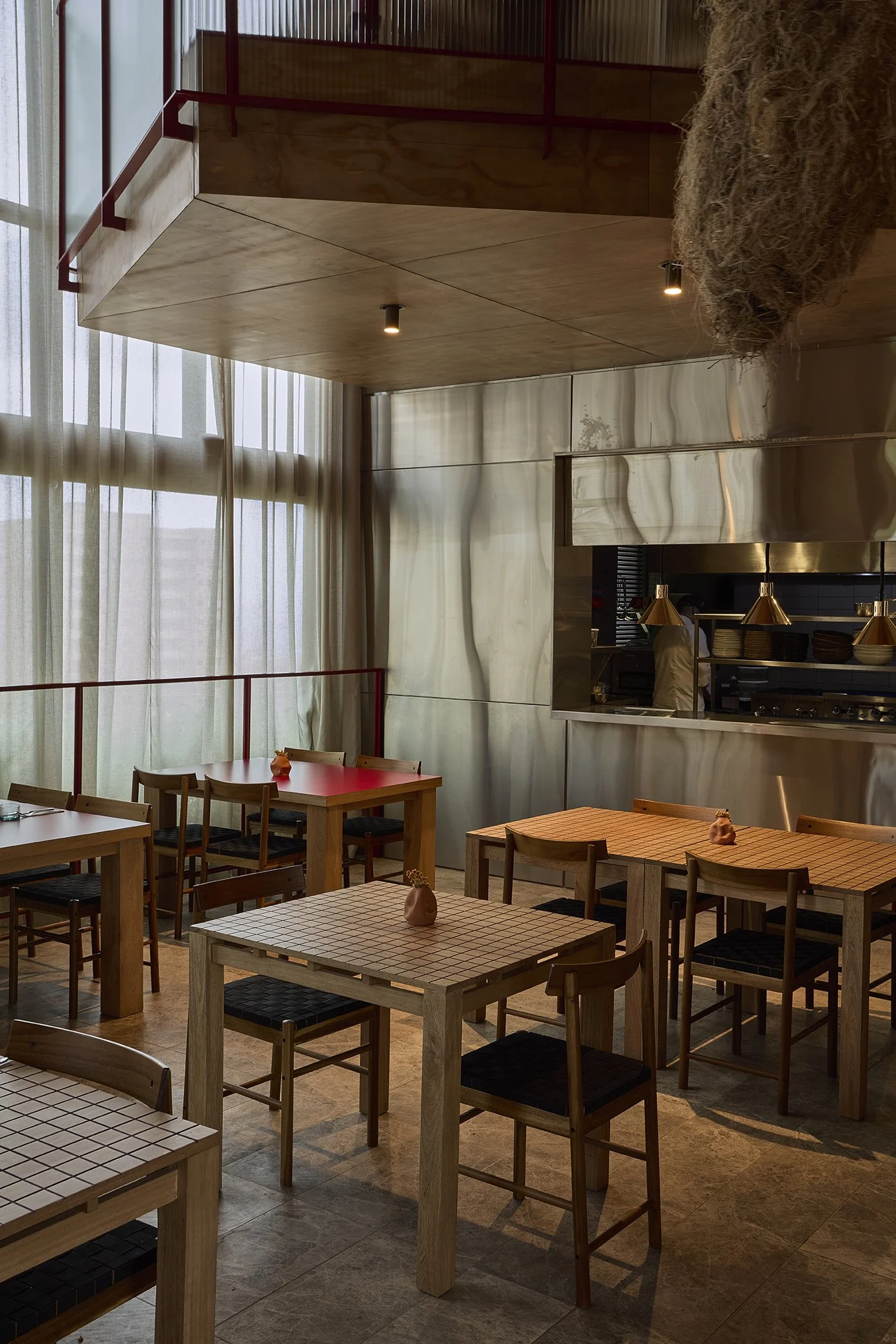
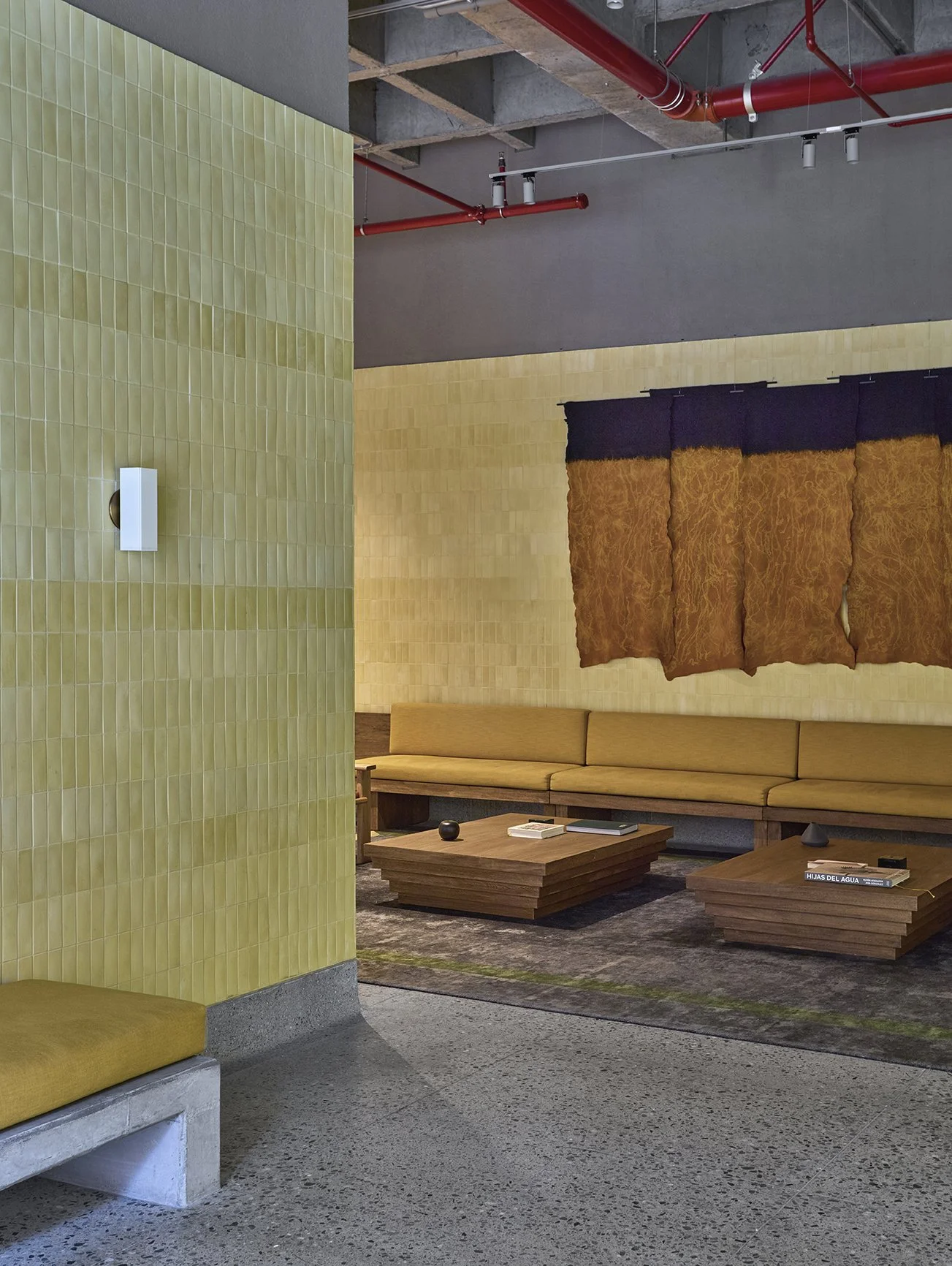
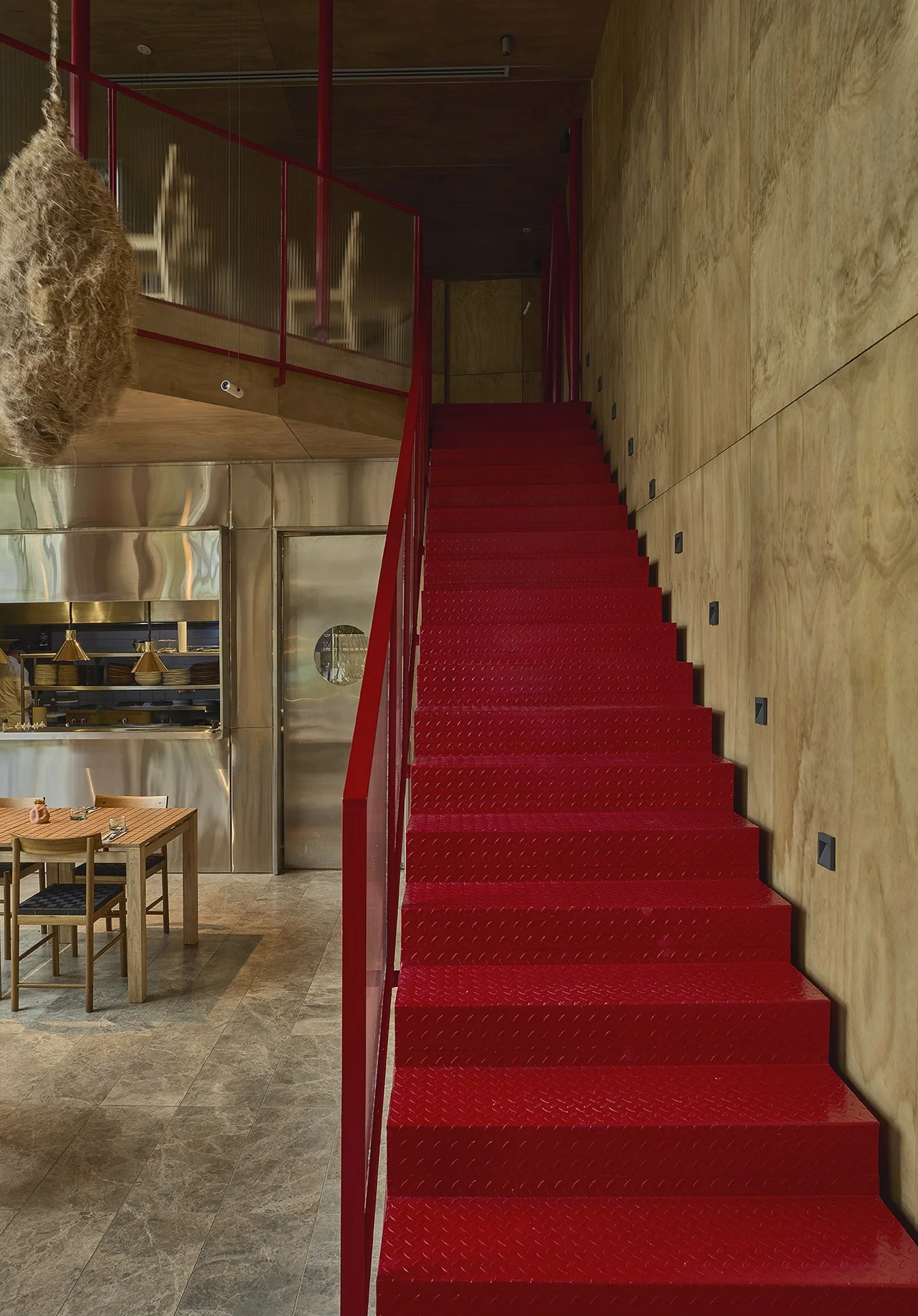
Wake Bio hotel, Medellín. photo: ©Monica Barreneche
What it offers instead is something more precise: coherence. Hotels that operate as cultural nodes, where design is not decoration but discourse, and where experience is shaped by a genuine connection to place rather than a staged approximation of it. To engage with Design Hotels, then, is less about membership and more about alignment. A global network of travellers drawn not to spectacle, but to intention. Which is perhaps why it continues to matter.
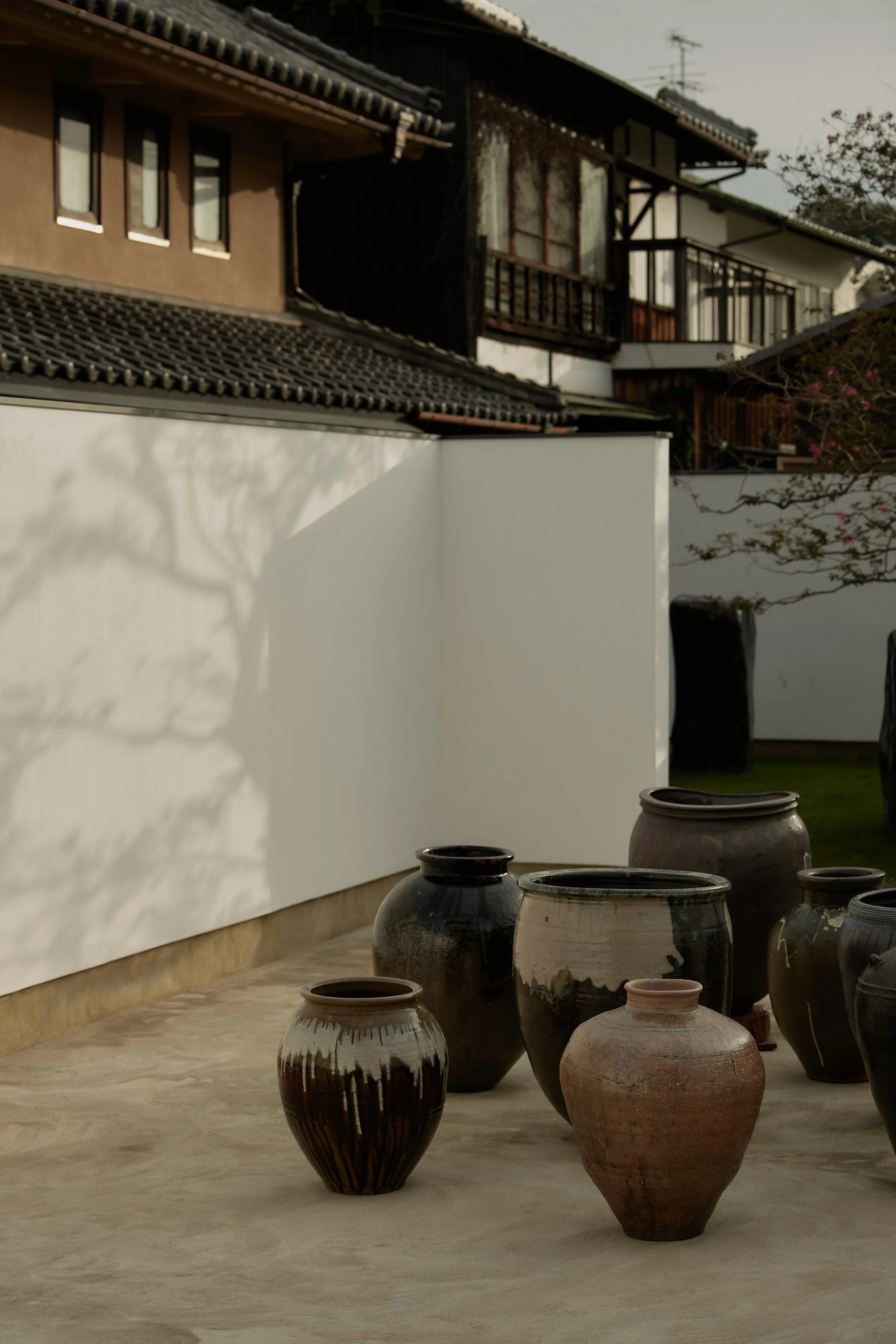
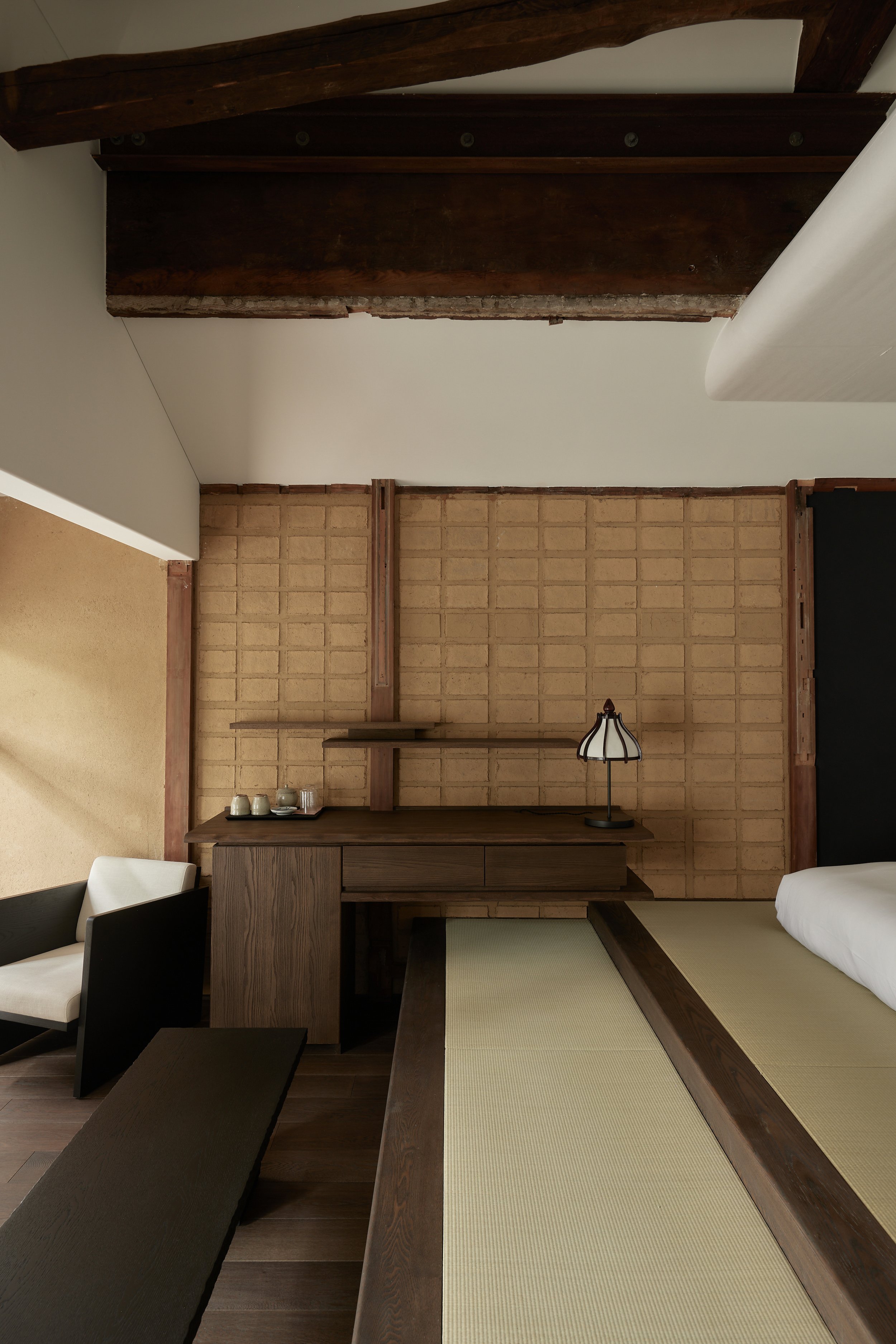
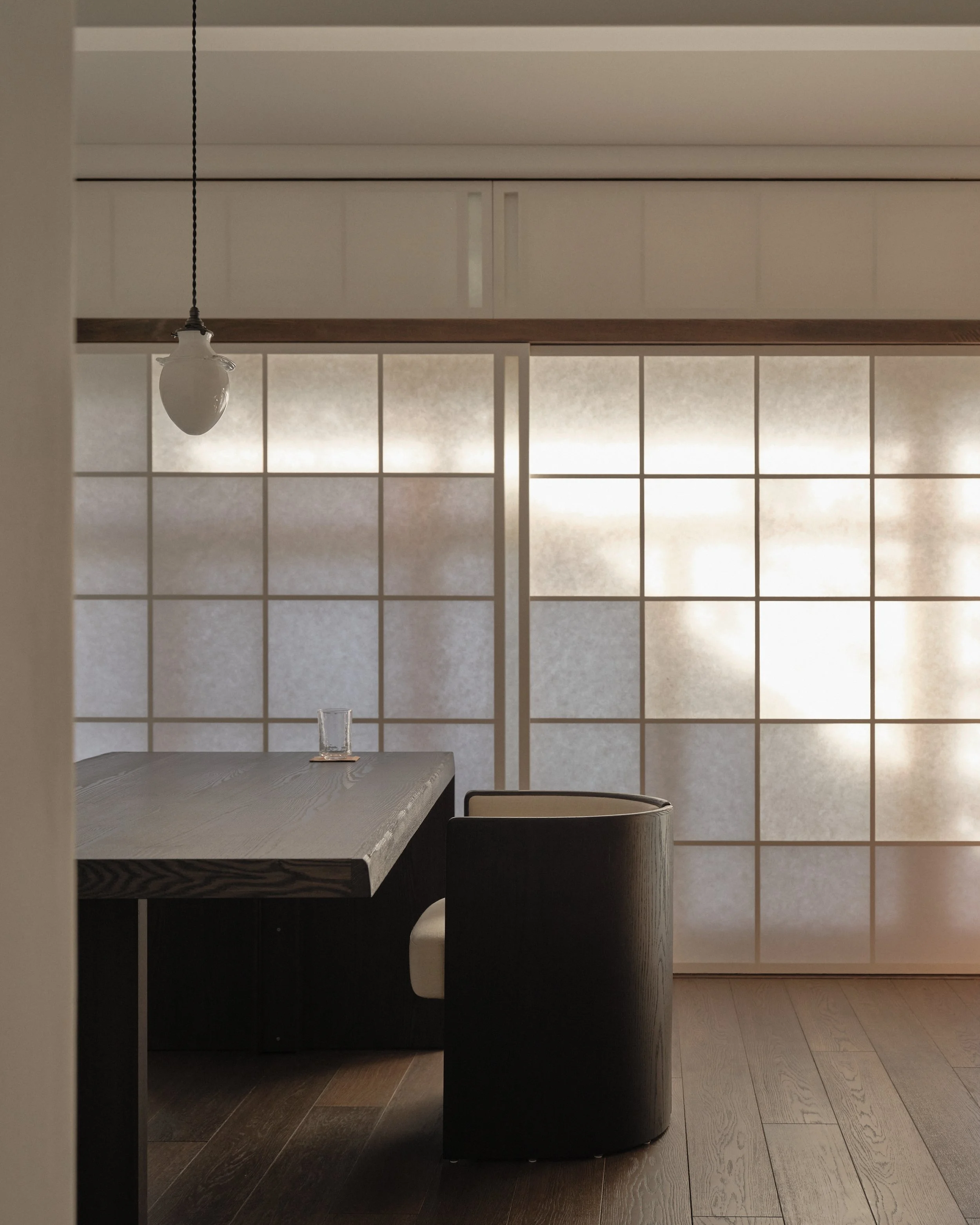
Yoruya Hotel, Japan. photo: Design Hotels
In a world where everything risks looking the same, Design Hotels insists — quietly, but consistently — that places can still carry character.
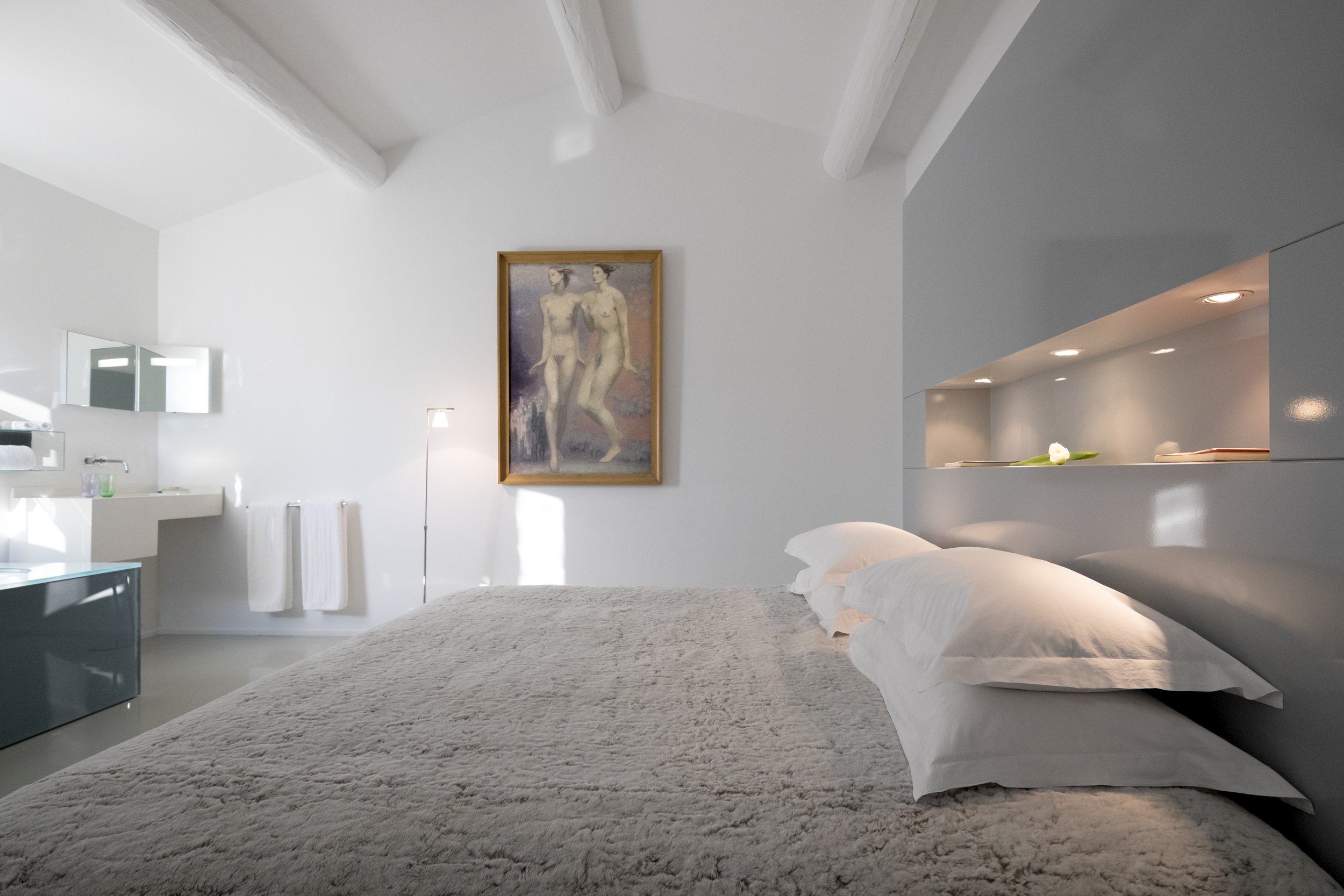
Domaine des Andéols, France. photo: Design Hotels